
Birding in Serengeti National Park
Birding in Serengeti National Park: A UNESCO World Heritage Site, Serengeti National Park is well-known for its untamed grasslands and magnificent wildlife, but it is also a sanctuary for birdwatchers. With more than 500 bird species identified, the park provides an unmatched opportunity for birdwatching, drawing tourists from around the globe.
Among the many bird species that call the Serengeti-Mara environment one of Africa’s Endemic Bird Areas (EBAs), home is a number of species that are unique to the continent. The park’s distinctive avian variety is enhanced by endemic species such as the Rufous-tailed Weaver, Fischer’s Lovebird, and Grey-breasted Spurfowl. This limited group also includes the Grey-crested Helmet Shrike and the Usambiro Barbet, however, they are less frequently observed.
The best time to go bird watching in the Serengeti is between November and April, when migratory birds from North Africa and Europe join the local species. Many birds are nesting around this season, so it’s a chance to see them in their colourful breeding plumage.
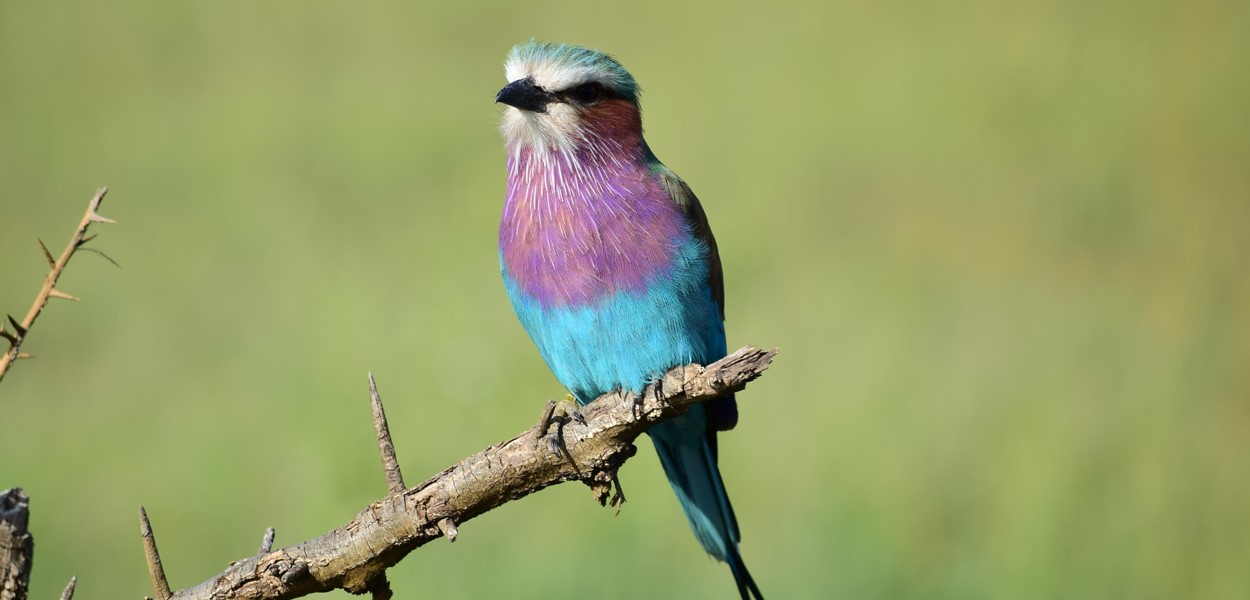
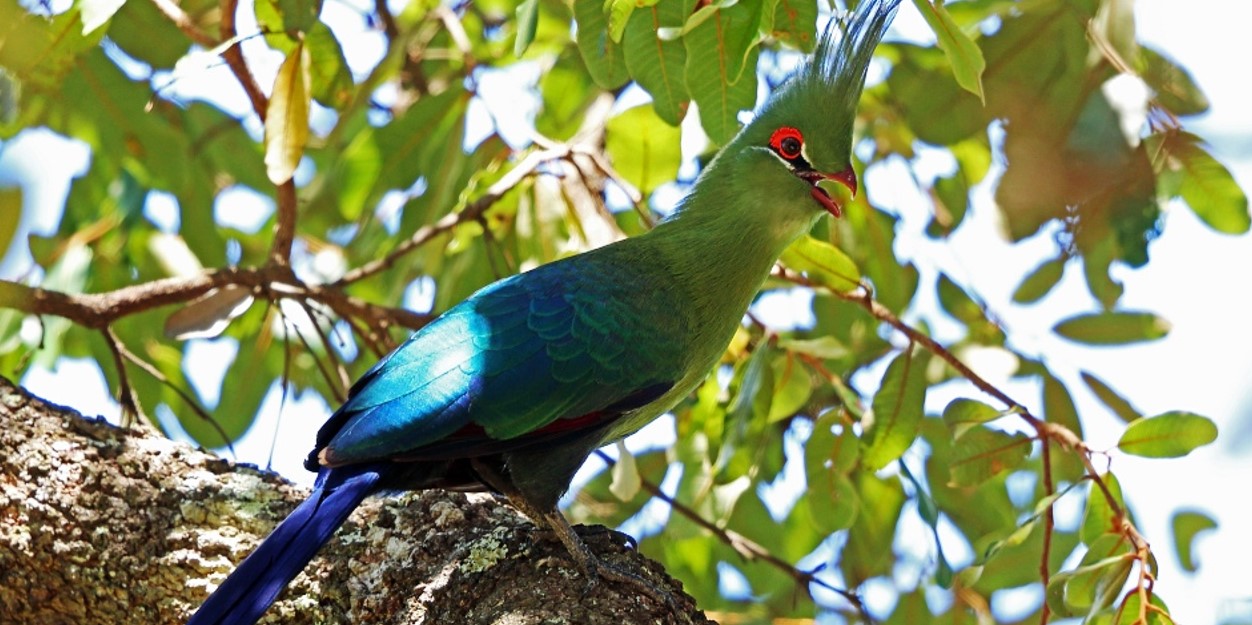
The park’s diverse ecosystems, which include riverine woods and savannah, are home to a diverse range of birds. ‘Serengeti specials’ like the Schalow’s Turaco and the Red-throated Tit can be seen alongside iconic species like the Kori Bustard, one of the heaviest flying birds, the Secretary Bird, the Lillac-breasted Roller, Schalow’s Wheatear, Black-bellied Bustard, Southern Ground Hornbill, Yellow-throated Sandgrouse, the Ostrich, and the African Fish Eagle. Approximately 540 bird species have been recorded by the Serengeti Biodiversity Program, demonstrating the region’s abundant biodiversity.
Chasing the ‘Serengeti specialities’ is an exciting experience for the serious birder. But even the Lilac-breasted Roller or the Ostrich’s spectacular mating dance can be entertaining to onlookers. Whether it’s a colony of Jackson’s Golden-backed Weaver or a Black Eagle soaring above the cliffs at Lobo, the park’s scenery provides a setting for some of the most amazing bird-watching experiences.
Depending on the region of the park, the best months to see wildlife in the Serengeti vary, but generally speaking, January through February and June through October are the finest times. However, November through April are the best months for birdwatching since they coincide with the breeding season of local species and the arrival of migratory birds.
Serengeti National Park is a birdwatcher’s dream come true, with a rich and varied birdlife that is both a pleasure to see and evidence of the park’s ecological importance. The birds of the Serengeti will enthral and inspire you regardless of your level of experience with birds or your appreciation of the natural world. Please get in touch with Journeys Uganda for further details on organising your Serengeti birding trip.
What is the best time of the year to go birding in Serengeti National Park?
Birdwatchers will find heaven at the Serengeti National Park, a World Heritage Site and one of the world’s most well-known wildlife reserves. With more than 500 bird species, the park provides a breathtaking display of feathered companions, ranging from the enormous Ostriches to the magnificent Secretary Birds and vibrant Lilac-breasted Rollers.
Timing is crucial for anyone hoping to experience the Serengeti’s avian splendour. November through April is the most ideal period of the year to go bird watching. The already diverse resident bird population is further enhanced by the migratory habits of birds from Northern Africa and Europe throughout this time. Many species are nesting during this time, so you can witness them in their most colourful plumage.
As the park transitions from the dry season, the rainy season, which runs from November to April, not only draws migratory birds but also brings with it lush landscape and a plethora of life. Short afternoon showers are the norm during this time of year, although they hardly ever impede birdwatching. Additionally, the wet season offers a more tranquil and private birding experience due to the reduced tourist numbers.
It’s important to remember that the Serengeti provides excellent wildlife viewing all year round, even though the wet season is best for birdwatching. Because animals gather around waterholes, making them easier to identify, the dry season, which runs from June to October, is also a great time to go birdwatching. The skies are largely clear and the foliage is less dense, making it a great place for bird photography.
In conclusion, Serengeti National Park is a year-round destination for birdwatching, regardless of your level of experience. Any time of year is an excellent time to visit because each season offers a different viewpoint on the park’s bird life. Plan your trip between November and April, when the park is a hive of migratory activity, for the most colourful and varied birding experience.