
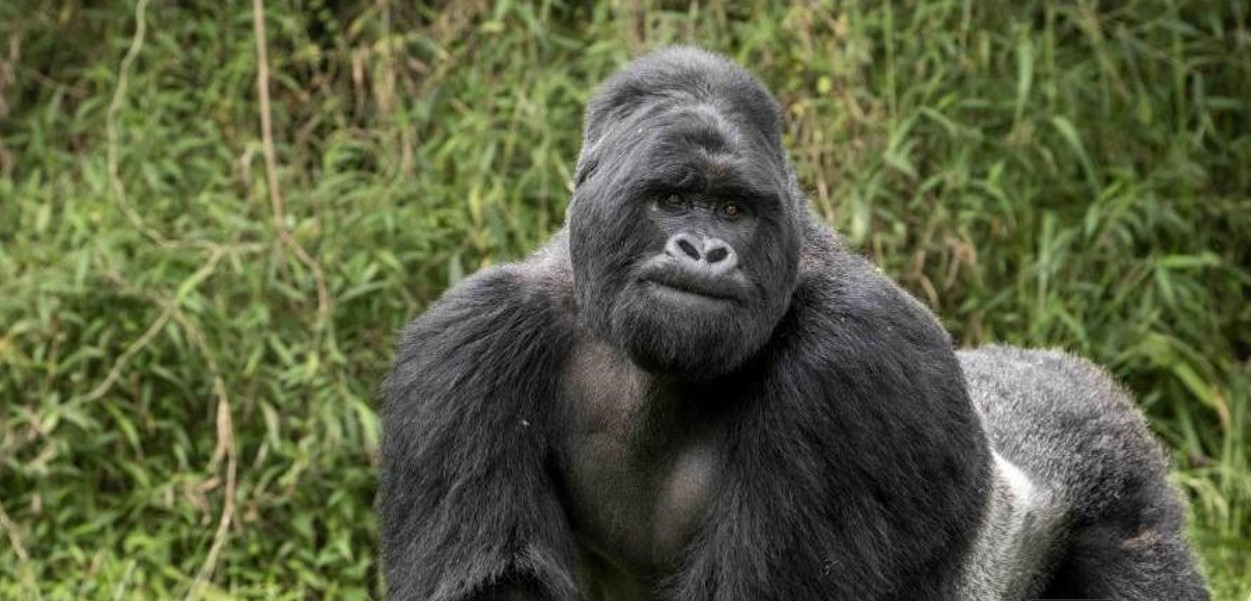
Exploring Lowland Gorillas in the Democratic Republic of Congo
Exploring Lowland Gorillas in the Democratic Republic of Congo: A treasure that many people frequently overlook is the lowland gorilla, also known as the western lowland gorilla (Gorilla gorilla gorilla), which lives in the Democratic Republic of the Congo (DRC), a country with enormous jungles, tall volcanoes, and a thriving culture. Lowland gorillas have equally urgent difficulties and provide a very gratifying wildlife encounter for the adventurous traveller, but mountain gorillas certainly attract much of the conservation attention. To better understand the habitat, behaviour, conservation status, and possibilities to observe these amazing animals in their natural habitat, this article explores the world of the lowland gorilla in the Democratic Republic of the Congo.
A Glimpse into the Lowland Gorilla’s World
Lowland gorillas inhabit the lush, humid forests of the Congo Basin, in contrast to their relatives who live at higher elevations. As the world’s second-largest rainforest after the Amazon, this huge ecosystem supports a wide variety of species and offers a complex tapestry of flora and animals. As a result of their excellent adaptation to this habitat, lowland gorillas differ greatly from mountain gorillas in both behaviour and physical attributes.
Physical Characteristics: Compared to mountain gorillas, lowland gorillas are often smaller and sleeker. Their heads have a reddish tint, and their coats are usually brown. Males have more noticeable sagittal crests, or bone ridges on their skulls, than mountain gorillas have. They are sometimes referred to as ‘silverbacks’ because of the silver hair that grows on their backs as they mature.
Social Organisation: Lowland gorillas, like their mountain counterparts, reside in family groups headed by a dominant silverback. Usually, a number of females, their offspring, and occasionally younger, less dominant males make up these groupings. The silverback’s duties include conflict resolution, discovering food sources, and protecting the group. Gaining insight into their intricate social dynamics enhances the observation experience.
Habitat and food: Fruits, leaves, stems, and pith make up the majority of the lowland gorillas’ food, which is herbivorous. They can survive in a variety of forest habitats because they are more adaptive than mountain gorillas and can consume a greater range of plants. Their ability to adapt is essential to their survival, especially in regions with fragmented or damaged habitats.
Threats Facing the Lowland Gorilla (Exploring Lowland Gorillas in the Democratic Republic of Congo)
Despite their adaptability, lowland gorillas face significant threats to their survival. Understanding these threats is vital for appreciating the urgency of conservation efforts.
- Degradation and Loss of Habitat: The main cause of habitat loss is deforestation brought on by mining, logging, and agriculture. Gorilla populations become split as forests are removed, which restricts their access to food and potential mates and makes them more susceptible to poaching. An increasing concern for orangutans in the Congo Basin is the growth of palm oil plantations, which are frequently blamed for their detrimental effects on orangutans in Southeast Asia.
- Lowland gorillas are targeted for their bushmeat and body parts, which are either sold as trophies or used in traditional medicine. Poverty, corruption, and lax law enforcement are the main causes of the illegal wildlife trade in the Democratic Republic of the Congo.
- Disease: Human illnesses like Ebola and respiratory infections can affect gorillas. Populations can be destroyed by outbreaks, especially in places where gorillas interact with people. In some areas, lowland gorilla populations have suffered greatly due to the Ebola virus in particular.
- Conflict and Instability: For many years, the eastern Democratic Republic of the Congo has been beset by conflict, which impedes conservation efforts and makes it challenging to save gorillas and their environment. Park rangers and wildlife are at risk from armed organisations who frequently operate in and around protected areas.
Conservation Efforts in Action (Exploring Lowland Gorillas in the Democratic Republic of Congo)
Despite the challenges, there is hope for the future of lowland gorillas. Dedicated conservation organisations, local communities, and the Congolese government are working tirelessly to protect these magnificent creatures.
- Protected Areas: The protection of gorillas depends on the creation and efficient administration of protected areas. Gorillas and other species can find refuge in parks such as Nouabalé-Ndoki National Park in the neighbouring Republic of Congo and parts of Salonga National Park in the DRC. To stop poaching and environmental devastation, these parks need steady financing, well-trained staff, and strict law enforcement.
- Community Engagement: Long-term effectiveness in conservation initiatives depends on including local communities. Reducing poaching and fostering responsible resource management can be achieved by offering alternate sources of income, encouraging sustainable agriculture, and educating the public about the value of gorillas. When properly run, ecotourism can also benefit local communities by providing income and encouraging the preservation of gorillas and their habitat.
- Anti-Poaching Patrols: These patrols are essential for dismantling traps and snares and discouraging unlawful hunting. Devoted rangers, the right tools, and efficient community collaboration are necessary for these patrols.
- Research and Monitoring: To comprehend gorilla populations, their behaviour, and the risks they face, scientific research and monitoring are crucial. Developing successful conservation plans and monitoring the effectiveness of conservation initiatives depend heavily on this knowledge.
What are the best places for exploring lowland gorillas in the Democratic Republic of Congo?
Due to logistical difficulties and security concerns, the DRC currently offers few options for lowland gorilla trekking. Trekking experiences may be possible in certain places of Salonga National Park (the DRC portion), provided they are accessible. However, security and access conditions are subject to change. Interacting with trustworthy tour companies that are knowledgeable about the area and have the most recent safety and permit information is essential.
What to look forward to: Long treks through the forests are necessary for gorilla trekking, which can be physically taxing. Because of the uneven terrain, dense flora, and humid temperatures, the landscape can be difficult to navigate. It’s worth the work, though. One amazing experience is spending an hour with a gorilla family, witnessing their interactions, grooming, and play.
Ethical Considerations: It’s crucial to choose tour operators that adhere to ethical tourism practices. This includes respecting the gorillas’ space, maintaining a safe distance, avoiding direct contact, and minimising disturbance to their natural behaviour. Responsible tourism can contribute to the long-term conservation of gorillas and their habitat.
How to plan Exploring Lowland Gorillas in the Democratic Republic of Congo
Planning a trip to the DRC to see lowland gorillas requires careful consideration and thorough preparation.
- Consult with Experts: Make contact with knowledgeable travel companies that specialise in gorilla trekking in the Democratic Republic of the Congo. Regarding permits, logistics, safety, and ethical issues, they can offer insightful counsel.
- Obtain Required Permits: Permits are necessary for gorilla trekking, but obtaining them can be challenging. When it comes to applying for permits, tour companies such as Journeys Uganda can help.
- Vaccines and Health Precautions: Discuss any required vaccines and health precautions with your physician. Preventing malaria is crucial.
- Make sure you have full-coverage travel insurance that includes coverage for evacuation, medical emergencies, and trip cancellations.
- Respect Local Culture: Show consideration for the customs and culture of the area. Learn a few simple phrases in the local tongue, dress modestly, and get permission before snapping pictures.
In conclusion, the combined efforts of local communities, conservation organisations, and the Congolese government will determine the future of lowland gorillas in the DRC. We can guarantee that these amazing animals continue to flourish in the emerald heart of Africa by tackling the risks they confront, encouraging sustainable development, and involving local communities. Although the trip to visit them may be difficult, the experience is incredibly fulfilling and provides a window into the untamed beauty and delicate ecosystems that are so distinctive to the DRC. Supporting conservation initiatives and encouraging sustainable tourism that benefits gorillas and the people who share their habitat are important tasks for us as conscientious tourists. Now is the moment to take action before these amazing species go extinct.