
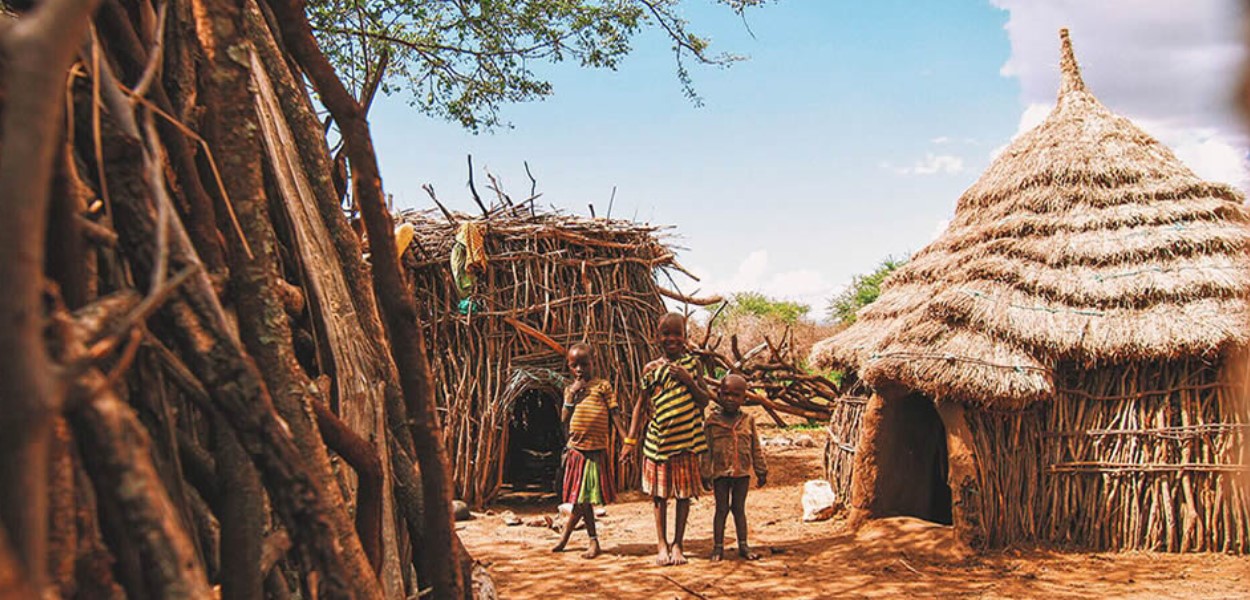
Regions with rich cultural experiences in Uganda
Regions with rich cultural experiences in Uganda: Uganda isn’t just about scenery. It’s a living tapestry of communities, stories, and rhythms. If you’re craving authentic moments with people, traditions, and crafts, these regions offer some of the most moving and memorable experiences. Picture drum circles that shake your chest, markets where strangers become friends, and long conversations that leave you with new ways of seeing the world.
Why Uganda’s culture matters to the traveler (Regions with rich cultural experiences in Uganda)
– You’ll meet living traditions you can touch, hear, and feel—from dances and storytelling to handwoven fabrics and beadwork.
– Royal courts, village homesteads, and historic sites offer windows into governance, spirituality, and daily life that no guidebook can fully capture.
– The crafts are stories in color: drums, baskets, wood carvings, beads—each piece a memory you can carry home.
– Ugandan hospitality is real. You’ll be welcomed like a friend you haven’t seen in ages, often with a shared meal or a spontaneous sing-along.
1) Buganda Kingdom (Central Uganda)
What you’ll sense
– A timeless feel in the royal spaces, with ceremonies and drumbeats that feel both ancient and alive.
– Dances like Bakisimba and stories told by guides who know how to read a room.
– Kasubi Tombs and Lubiri offer moving, humbling glimpses into Buganda history.
How to dive in
– Join a Buganda cultural trail in Kampala or Mengo. Guides weave in legends, language snippets, and easy drum workshops.
– Visit Kasubi Tombs and nearby museums with a patient guide who can translate centuries of meaning into stories you can connect with.
– If you’re lucky, you’ll catch a live performance or a ceremonial moment. Be curious, and don’t be afraid to ask friendly questions.
Tips to feel at home
– Dress modestly at sacred sites.
– Smile, introduce yourself, and ask before photos—people appreciate the courtesy.
– Learn a couple of Luganda greetings; “Gyendi?” (How are you?) goes a long way.
2) Bunyoro-Kitara Kingdom -Western Uganda (Regions with rich cultural experiences in Uganda)
What you’ll sense
– A warm, unhurried rhythm and stories that tie cattle-herding traditions to today’s life.
– Colorful beadwork, wood carvings, and dances that carry centuries of meaning.
How to dive in
– Look for rural cultural villages near Hoima or Kibaale where homestays feel like visiting family.
– Join or watch ngoma drumming sessions; the rhythm invites you to clap along and feel part of the moment.
– Let a local guide unpack clan symbols and the kingdom’s history—the conversation often wanders into everyday wisdom.
Tips
– Plan for market days to watch the buzz of trade and craft in motion.
– Always ask before photographing people or spaces.
3) Toro Kingdom -Western Uganda (Regions with rich cultural experiences in Uganda)
What you’ll sense
– A lively, welcoming community with distinctive music, dances, and a friendly vibe.
– Craft markets bursting with bold patterns and stories woven into beadwork and regalia.
How to dive in
– Look for cultural centers or guided village walks near Fort Portal.
– Try a beadwork workshop—learn symbols and techniques and bring home a little piece of the craft.
– Soak in a dance or drum circle; locals love sharing the meaning behind the moves.
Tips
– Time your visit around performances or markets for a richer experience.
– Chat with elders—they’re fountains of stories if you’re patient and respectful.
4) Busoga Kingdom- Eastern Uganda (Regions with rich cultural experiences in Uganda)
What you’ll sense
– River life with a strong sense of family and community.
– Songs and instruments like the endingidi, a one-string fiddle with a haunting, joyful voice.
How to dive in
– Try a village homestay to wake up to daily rhythms, greetings, and shared meals.
– Attend community events or school performances—these are honest, open expressions of culture.
– Browse local markets for baskets, mats, and beadwork that carry local patterns and skills.
Tips
– Ask about family and community roles; these conversations reveal how people see themselves within the Lusoga world.
– A few phrases in Lusoga or Luganda go a long way.
5) Bakiga and the Highlands – Southwest Uganda (Regions with rich cultural experiences in Uganda)
What you’ll sense
– A bright, festive tapestry of dress, dance, and harvest rituals set against stunning mountain scenery.
– The music that accompanies farming and festivals—joyful and communal.
How to dive in
– Join a dance workshop or a chorus session; you’ll learn steps and a rhythm that sticks with you.
– Visit farms to see traditional methods and crops like bananas and coffee.
– If you’re lucky, you’ll catch a harvest festival with parades, songs, and shared feasts.
Tips
– Be ready for outdoor adventures; weather and terrain can be brisk in the highlands.
– Respect farming plots and sacred trees—these are the lifeblood of the community.
6) Batwa (Pygmy) Communities – Southwestern Uganda (Regions with rich cultural experiences in Uganda)
What you’ll sense
– Deep forest-connected traditions, storytelling, and a music style that feels intimate and ancient.
– Small, ethically run opportunities to learn and witness performances.
How to dive in
– Choose tours that partner directly with Batwa communities and ensure fair compensation and consent.
– Listen to guided performances that explain historical and modern contexts—then ask thoughtful questions.
Important notes
– Some Batwa communities have faced displacement or land pressures. Support ethical, community-first experiences.
– Always check photography and donation guidelines; treat performances with the same respect you’d give a formal concert.
7) Ik Community – Northern Uganda (Regions with rich cultural experiences in Uganda)
What you’ll sense
– Distinct language, dress, and rituals that feel quietly proud and resilient.
– Subtle crafts and oral traditions that invite careful listening and slow storytelling.
How to dive in
– If a respectful opportunity arises, choose guided visits that emphasize consent and dignity.
– Be prepared for a gentle pace and a willingness to listen more than you speak.
Tips
– Work with reputable operators and cultural centers to ensure an experience that respects the people and avoids discomfort.
Practical tips for a respectful cultural journey in Uganda (Regions with rich cultural experiences in Uganda)
– Pick responsible guides and lodges with clear community ties and fair practices.
– Dress for modesty and respect sacred spaces; ask before entering or participating.
– Always ask before photos or videos—offer a small token of appreciation if invited to participate.
– Learn a few words in the local language; it opens doors and hearts.
– Buy crafts directly from makers and support community-led experiences over mass-tourism.
– Be mindful of conservation and ethics, especially with forest-adjacent communities.
– Stay healthy, plan around local calendars, and be flexible with schedules.
– If you’re unsure, ask your guide what’s appropriate—Ugandans are usually delighted to help you navigate respectfully.
How to plan a culture-forward Uganda trip (Regions with rich cultural experiences in Uganda)
– Reflect on what draws you most: royal history, dances, crafts, or forest lore? Let that shape your route.
– Mix regions to experience contrasts: central (Buganda) with eastern (Busoga) and southwest (Batwa, Bakiga) for a well-rounded tapestry.
– Give yourself 2–3 days per region for genuine immersion—longer stays deepen connections.
– Work with local tourism boards or NGOs to find trusted guides and community-led programs.
– Travel with a mindset of responsibility: support communities, minimize footprint, and celebrate authentic encounters.
In conclusion, Uganda’s culture isn’t a show; it’s a living conversation you enter with your curiosity, your kindness, and your willingness to listen. The most memorable moments come from slowing down, sharing a meal, learning a drum rhythm, or leaving a small token of thanks for a craftsman who shared a story with you.