
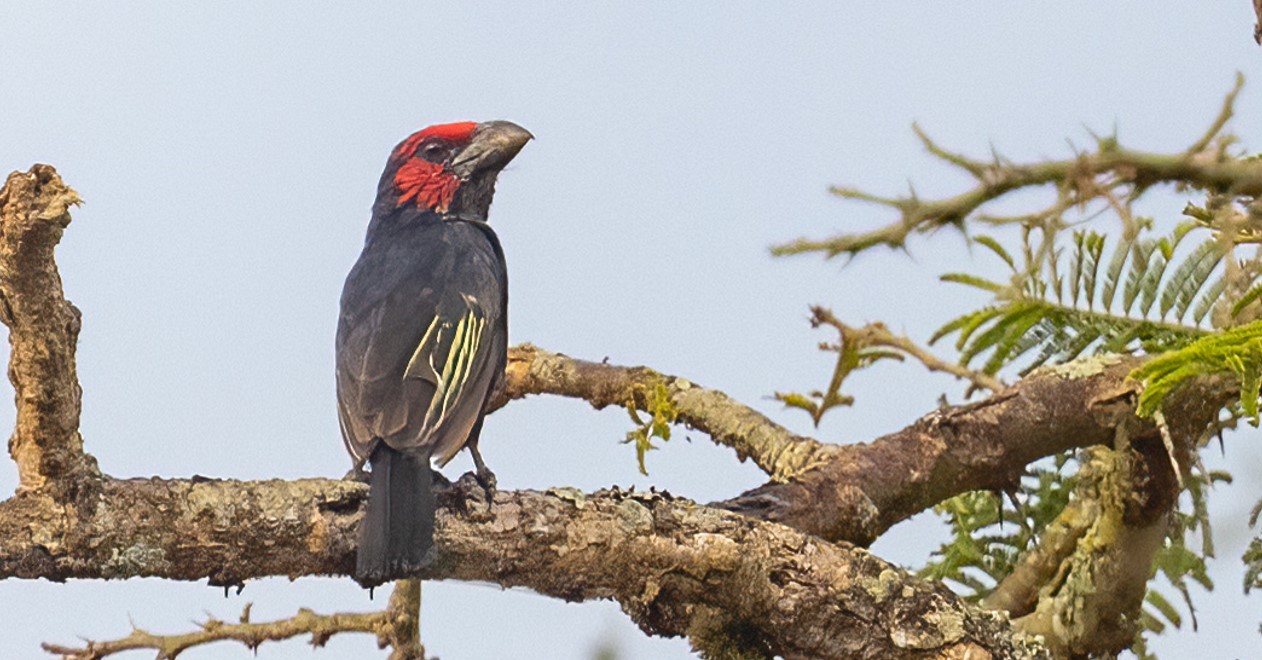
Quick Identification Tips and Field Marks for Ugandan Birds
Quick Identification Tips and Field Marks for Ugandan Birds: Uganda is a birder’s dream country. Think lush wetlands, towering forests, and wide-open savannas, all buzzing with birds you can recognise with just a few simple clues. If you’re new to birding (or visiting Uganda for the first time), this guide helps you key in on the basics, which include size, shape, bill, legs, and plumage—in a practical way. I’ll also drop in a few beginner-friendly birds you’re likely to meet so you’re not overwhelmed by the possibilities.
Field Marks and Easy Species Identification Tips for Birding Beginners in Uganda (Quick Identification Tips and Field Marks for Ugandan Birds)
1) Start with Size and Shape: Your Instant Impressions
When you spot a bird, your first gut check is often this: how big is it, and what’s its silhouette telling me?
Small, quick insect-eaters vs. chunkier ground-dwellers
- Think tiny warblers or sunbirds: quick, fluttery, slim bodies.
- Think francolins, quail, or guinea fowl: stockier, shorter tails, and a tendency to walk rather than perch in a dramatic pose.
Long-tailed and slender vs. chunky and short-tailed
- Long-tailed birds (many sunbirds and some rollers in certain poses) tend to look alert with a slim outline.
- Chunkier birds feel more “sturdy” in the field, with a rounded shape and a shorter neck.
Quick silhouette checks to do right away:
– Perched upright, horizontal, or bobbing?
– Do wings extend far beyond the tail in flight? (Raptors and rollers often give themselves away here.)
– Is the bird’s stance very upright (parrots, larks) or more horizontal (shrikes, wagtails)?
Note: Think of size and shape as the opening act: they narrow your options fast so you aren’t chasing every bird in the park.
2) Bill Clues: Shape, Size, and Color (Quick Identification Tips and Field Marks for Ugandan Birds)
In Uganda, bill shape maps pretty cleanly to what a bird eats and how it behaves. Here are the easy tells:
- Thick, bud-like bills (seed-eaters)
– Conical, chunky bills are a hallmark of many finches and related groups.
– The shape is the giveaway, even if the colour varies a bit.
- Long, slender, probing bills (insect and nectar feeders)
– A needle-like or gently curved bill often signals probing for insects or sipping nectar.
– Sunbirds are classic examples: slender, sometimes slightly curved bills.
- Hooked bills (predators/scavengers)
– A hooked tip points toward raptors or shrikes.
– Raptors have broad, powerful bills; shrikes have a sharper hook but smaller overall bill.
- Very pointed, needle-like bills (specialists)
– Some kingfishers and bee-eaters fit here. Length and straightness help separate close look-alikes.
Colour clues
– Bill colour can be a helpful nudge (yellow bills on many weavers, darker bills on crows and raptors).
– Juveniles or birds in poor light can be tricky. Consider shape first, colour second.
A practical trick: if you’re unsure, lock in the bill shape first, then check colour and size next. The combination is usually enough to move you toward a family, which is a big win for a beginner.
3) Leg Color and Length: Ground Clues (Quick Identification Tips and Field Marks for Ugandan Birds)
Legs are surprisingly helpful when you can see them.
- Bright yellow legs
– A spectacular and quick clue for certain weavers and babblers. Pair with body colour to confirm.
- Dark gray or black legs
– Common across many passerines (think flycatchers and many songbirds). If the legs are subdued, look for other features.
- Long legs for wading
– Herons, egrets, stilts, among others. These stand out by leg length and a deliberate, almost statue-like stance in wet habitats.
- Short, stout legs
– Ground-dwellers (guineafowl, francolins) usually shuffle or scurry rather than walk purposefully.
Tip: If you can spare a moment, glance at the legs first. It’s a quick way to split waterbirds from forest birds or ground dwellers.
4) Plumage Cues: Color, Pattern, and Markings (Quick Identification Tips and Field Marks for Ugandan Birds)
This is where the fun truly begins—the colours, stripes, and patches that tell a story.
- Solid, uniform colors
– Some sunbirds, weavers, and falcons flaunt bold, solid plumage. A strong colour block can be a quick hint when you zero in on size and bill.
- Bold facial patterns (eye-lines, eyebrows)
– Eye-stripes, or superciliums, pop, helping you pick a likely family or genus. A bright facial pattern often sticks in memory.
- Streaky or barred underparts
– Babblers and many warblers carry scallops, spots, or bars on the chest; it’s a great clue when you’re scanning a canopy.
- Wing bars and wing patterns
– White or pale patches on wings are particularly helpful in sunbirds, starlings, and weavers. Notice what you see when the bird is perched and when it flies.
- Tail patterns
– Some species show distinctive tail shapes or tips. A white tail tip or an unusually graduated tail can be a quick identifier.
- Juvenile vs. adult plumage
– Juveniles can look quite different from adults—less bold, more mottled. If you’re there during breeding season, expect a mix of ages.
A practical tip: keep photos of the bird if you can. A quick shot helps you compare patterns later when you’re back home with a guide.
Eco-Regions in Uganda and Likely Species to Watch (Quick Identification Tips and Field Marks for Ugandan Birds)
Uganda’s varied landscapes create distinct bird communities. Here are beginner-friendly anchors by habitat:
- Bwindi Impenetrable National Park (Montane Forest)
– Expect small, skulking forest birds with sharp eye-lines and subtle plumage. Endemics or near-endemics pop up here.
- Queen Elizabeth National Park (Savanna and Wetlands)
– A mix of edge-dweller species and waterbirds. Look for bold-coloured weavers and the rapid, shimmering flight of rollers.
- Murchison Falls National Park (Wetlands and Rivers)
– Waterbirds along the Nile: herons, egrets, kingfishers, bee-eaters, and pelicans.
Tip: Pair field marks with a reliable field guide or offline app for East Africa to map species to locations and seasons.
Practical Tips for Beginners in Uganda (Quick Identification Tips and Field Marks for Ugandan Birds)
- Simple, reliable gear
– Binoculars: 8×42 or 10×42 work well for range and detail.
– A field guide or offline app focused on East Africa is gold.
- Take notes and photos.
– Write down size impression, shape, bill form, leg colour, plumage patterns, and habitat. Photos help you verify later.
- Watch behavior as a clue.
– Feeding style, flight, and perching posture are often as informative as colour.
- Start with “family clues”
– Narrow down by first ruling in/out families, then refine with size, bill, and pattern. It’s a confidence builder.
- Note the habitat and time of day
– Birds are creatures of routine: some sing at dawn, others are active along water or in forests.
- Respect wildlife.
– Observe from a respectful distance, avoid disturbing nests, and keep noise to a minimum.
Quick Field Identification Checklist that will help you On the Go (Quick Identification Tips and Field Marks for Ugandan Birds)
When you spot a bird, run through these eight quick checks:
1) Size: small, medium, or large?
2) Shape: upright, slender, chunky, or long-tailed? Any distinctive silhouette?
3) Bill: thick cone, slender probe, hooked, or short and stubby?
4) Legs: colour and length; wading or ground-dwelling cues?
5) Plumage: pattern, color, and notable marks (eye-lines, wing bars, tail pattern)
6) Habitat: wetland, forest, edge, or savanna?
7) Behaviour: feeding method, flight pattern, social vs. solitary?
8) Time of day: morning chorus, midday quiet, or dusk activity?
A Starter List: Beginner-Friendly Uganda Birds to Look For (Quick Identification Tips and Field Marks for Ugandan Birds)
- Marsh birds: Great Egret, Little Egret, and Western Cattle Egret, plus various herons.
- Sunbirds (nectar feeders): Variable Sunbird, Scarlet-chested Sunbird (colours vary by region).
- Weavers: Village Weaver, White-browed Sparrow-Weaver (bold patterns and bright colours in colonies).
- Rollers and Kingfishers: Lilac-breasted Roller (bright and easy to spot in flight), Pied Kingfisher (black-and-white contrast).
- Ground-dwellers: Helmeted Guineafowl, Red-billed Francolin (common on forest edges and farmland).
- Forest specialists: African Green Broadbill (in suitable montane forests) and a variety of colourful warblers and sunbirds.
Note: Availability varies by season and location. A quick chat with park rangers or a local guide can point you to currently reliable sightings.
In conclusion, birding in Uganda is wonderfully approachable for beginners. By keeping your eye on the reliable field marks—size, shape, bill, legs, and plumage—you’ll gain confidence fast and start savouring the thrill of identifying birds in real time. Try exploring a wetland, a forest, and a savanna edge to see how different cues pop in each habitat. Happy birding, and may your list grow quickly and your sightings be stunning!