
Cultural Encounters in Kidepo Valley National Park
Cultural Encounters in Kidepo Valley National Park: A hidden treasure that extends beyond its impressive wildlife, Kidepo Valley National Park is situated in the rugged, semi-arid valleys that separate Uganda from Sudan and Kenya. Cultural encounters in this location are just as captivating as the scenery and wildlife. The thriving Karamojong and Ik populations, whose distinct way of life and customs have been preserved for years, call the park home. It is a crossroads of cultures.
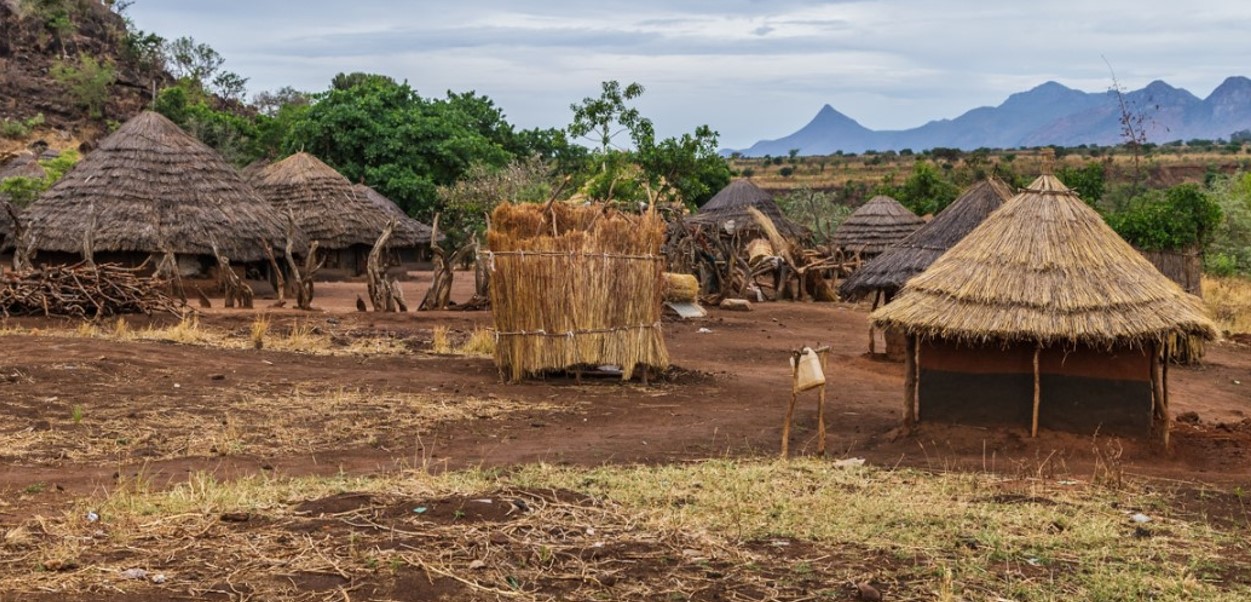
The pastoral lifestyle of the Karamojong people is similar to that of the Maasai people of Kenya and Tanzania. By visiting traditional manyattas (homesteads), visitors to the park can delve into the core of Karamojong culture and witness the architectural creativity of these nomadic people. The round buildings, which are composed of mud, wood, and thatch, serve as both dwellings and a reminder of a way of life centred on herding cattle and living in a community.
A cultural tour of these homesteads provides a glimpse into the Karamojong people’s essence. Here, one may see how important livestock is to the local economy and culture, discover the exquisite beadwork, and even sample some of the cuisine. Just beyond the park, the Lorukul Cultural Group offers guided treks to these manyattas, which are the living embodiments of the rich oral traditions, folklore, and beliefs of the Karamojong people. A meeting with the Karamajongs is one of the best cultural encounters in Kidepo Valley National Park.
One of the most culturally intact populations in Africa is the Ik people, who live high on the slopes of Morungole Mountain. Trekking to their communities is like travelling through a time-warped universe. The Ik, as represented in Colin Turnbull’s 1973 best-seller “The Mountain People,” provide a unique cultural experience. Amidst stunning mountain views, visitors can discover their traditions, which range from naming ceremonies for children to determining the bride price.
Supporting these communities is part of the park’s commitment to cultural preservation. Travellers who take cultural excursions support the community’s economy both directly and indirectly. Every encounter—whether it is through buying locally made trinkets, taking part in custom dances, or just dropping by—belongs to the larger scheme of economic gain and cross-cultural interchange.
Kidepo Valley National Park is a living museum of cultural heritage as well as a wildlife sanctuary. A comprehensive and enlightening safari experience is provided by the cultural interactions, which are as varied as the wildlife. Kidepo offers an excursion for the body and spirit for people who want to fully immerse themselves in the customs of the Karamojong and Ik.
Ultimately, Kidepo Valley National Park is an outstanding example of cultural tourism, preserving both nature and local customs. It is an essential destination for anybody keen to gain insight into the depths of Africa’s heritage and a monument to Uganda’s diverse cultural mix. Reach out to Journeys Uganda for any help regarding planning a cultural encounter in East Africa.
What is the best time of the year for cultural encounters in Kidepo Valley National Park?
In Kidepo Valley National Park, the dry season (September to March) is the best time to engage in cultural encounters. With the end of the rainy season and the start of the dry season, this time of year—especially in September, October, and November—offers the greatest weather. The customs of the Karamojong people, who lead a nomadic pastoral existence similar to that of the Maasai of Kenya and Tanzania, enhance the cultural encounters. Immersion in the local way of life is possible for visitors, who can purchase handicrafts and souvenirs to help the community while also learning about customs and participating in dances and singing. While it’s possible to visit the park all year round, the dry season offers a more comfortable temperature and easier access to the exciting cultures.