
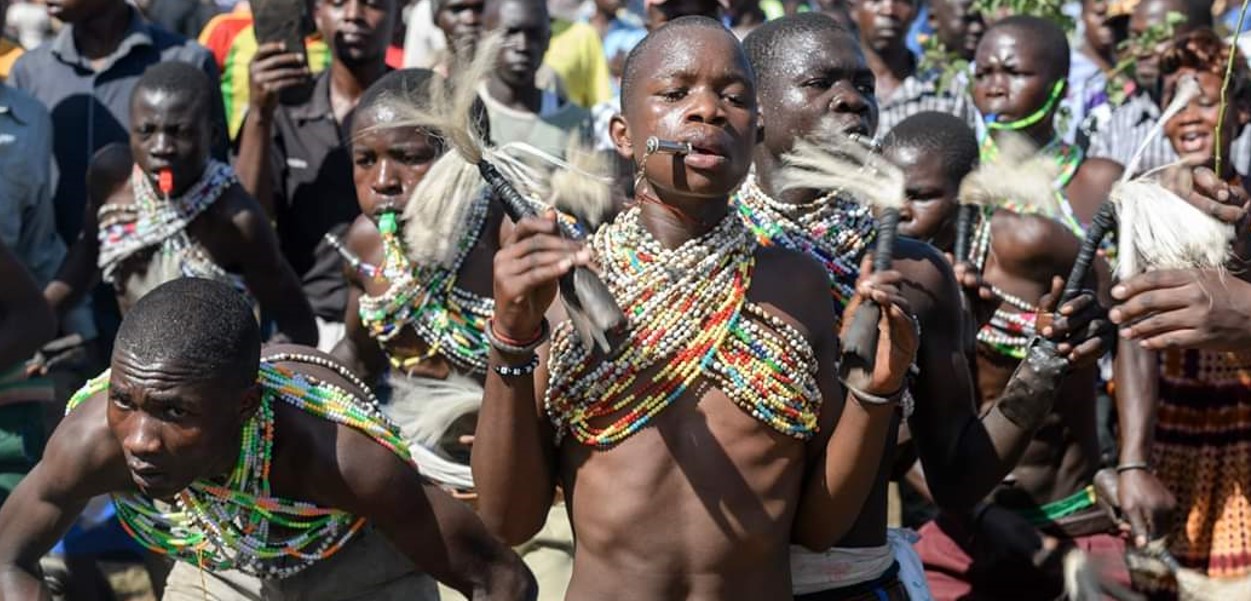
Exploring Traditional Dances and Music in Uganda
Exploring Traditional Dances and Music in Uganda: If you’re reading this, you’re probably dreaming of a travel experience that goes beyond selfies and safaris. Uganda invites you to step into a living canvas of sound, colour, and story. From the drum circles that pulse through village evenings to the elegant movements of dancers in ceremonial dress, Uganda’s traditional dances and music are a front-row seat to the country’s heart. Let this guide be your companion as you plan a cultural safari that feeds curiosity, respect, and connection.
Why this matters to you—and to the people you’ll meet
- Dances and songs are living histories. They carry memories of harvests, migrations, rites of passage, and everyday joys.
- Each region tells a different tale. When you move from one area to another, you’re hearing a new dialect of culture—from Buganda’s ceremonial grace to Karamoja’s nomadic rhythms.
- You’re invited to participate, but always with consent. The best moments happen when you hum along, clap, or learn a simple step with humility and appreciation.
Regions you might explore (Exploring Traditional Dances and Music in Uganda While on a Cultural Safari)
Western Uganda: Green hills, big drums, warm welcomes
- You might catch Ekigenegejo, the horse dance, where footwork and thunderous drums create an infectious energy.
- Expect enangas, amadinda xylophones, and big bass drums that make you feel the rhythm right in your chest.
- Best moments: an intimate village performance in Fort Portal or Kasese; a twilight drumming circle where locals invite visitors to try a step or two.
What you’ll love:
- The colourful attire and beadwork tell stories about status, age, and identity.
- The chance to sit with a group after the show, sharing stories and local snacks.
Central Uganda: The heart of Buganda’s musical legacy (Exploring Traditional Dances and Music in Uganda While on a Cultural Safari)
- Buganda’s royal drumming is a masterclass in rhythm—layered, precise, and deeply ceremonial.
- Dances weave praise songs, tales of kings, and community pride.
- Best moments: a scheduled performance at a cultural village near Entebbe or Kampala, or a lodge’s cultural night that feels like a family gathering.
What you’ll love:
- The sense of ceremony you can feel in the air, even in a twilight venue.
- The opportunity to ask, respectfully, about the stories behind the dances and instruments.
Eastern Uganda: Rivers, hills, and storytelling through movement (Exploring Traditional Dances and Music in Uganda While on a Cultural Safari)
- Dances here often tell cattle-herding histories and farming cycles, with accessible rhythms and call-and-response songs.
- Local instruments provide bright, rustic textures that feel close to the land.
- Best moments: a village welcome, perhaps at a hosted performance by a local family; a short participatory dance that leaves you smiling and slightly out of step—delighted, not embarrassed.
What you’ll love:
- The grounded, approachable vibe—people are proud of their heritage and happy to share it with visitors who listen.
Northern Uganda and Karamoja: Resilience in motion (Exploring Traditional Dances and Music in Uganda While on a Cultural Safari)
- Strong body percussion and beadwork—dances grounded in community strength and history.
- Expect fast legwork, powerful formations, and a rhythm that feels like a heartbeat you can march to.
- Best moments: community gatherings near Gulu or Karamoja, especially if you time it with a market day or a ceremony; a gentle, guided dance lesson that makes participation doable for everyone.
What you’ll love:
- The sense of connection you’ll feel when you join a circle and clap along with a chorus that accepts you as part of the moment.
Southwestern Uganda and the Rwenzori foothills: Pastoral songs and slow, soulful melodies (Exploring Traditional Dances and Music in Uganda While on a Cultural Safari)
- Nkoko dances and Endongo-lilted tunes invite you into the pastoral cadence of life in the highlands.
- Inanga strings, litungu melodies, and a chorus that rises like a sunset over the plains.
- Best moments: staying at a cultural lodge where performances feel like a nightly ritual, or a village visit that ends with a shared song around a fire.
What you’ll love:
- The gentle pace and intimate setting are perfect for reflecting on what you’ve seen and heard.
The instruments you’ll hear—and fall in love with when Exploring Traditional Dances and Music in Uganda, while on a Cultural Safari
- Drums (ngoma, amadinda, adungu): The heartbeat of many performances. You’ll notice the variety in size and tone.
- Strings (adungu, endongo, litungu): Lively, singing lines that weave with the drums.
- Xylophones (amadinda, ikembe): Bright, percussive melodies that dance over the rhythm.
- Flutes and horns: Add colour and airiness to the music.
- Beadwork and costumes: Not just decoration—colours and patterns carry stories.
Tip: If you’re curious about a particular instrument, smile and ask a guide to point out its role in the piece. People love sharing little musical secrets.
When and where you can experience Uganda’s dances when Exploring Traditional Dances and Music in Uganda, while on a cultural safari.
- Cultural villages and centres: Think of these as living museums—stories told through dance, with room for questions and gentle participation.
- Community visits: Some families warmly invite travellers to watch or join a dance circle, sometimes after a shared meal.
- Festivals and ceremonies: Harvest times, weddings, or rites of passage can provide incredibly meaningful performances.
- Lodges with cultural programming: Many lodges schedule evenings that feel like intimate concerts rather than staged shows.
A key tip: always ask for consent before recording or joining in. If you’re invited to dance, accept with gratitude and follow the instructors’ cues.
How to engage with performances in a respectful, enriching way when Exploring Traditional Dances and Music in Uganda, while on a Cultural Safari
- Observe first, then participate: let locals guide the pace and level of involvement.
- Dress modestly and respectfully: Think modest shoulders and knees, especially in ceremonial spaces.
- Record thoughtfully: if you’re allowed to film, keep it short and unobtrusive.
- Learn a step or a refrain: if invited, a simple clap or a one-two step can be a meaningful bridge.
- Support the artists: buy a CD, a handmade craft, or tip performers when appropriate; consider contributing to community programmes that sustain the art.
A simple auditory map for your ears when Exploring Traditional Dances and Music in Uganda while on a Cultural Safari
- Polyrhythms: Several drum patterns weaving together create lush textures.
- Call-and-response: A lead singer calls out lines that the chorus echoes—feel the conversation.
- Melodic lines from strings: They weave with the drums, giving the music space to breathe.
- Tempo shifts: Transitions can move from meditative to jubilant in a heartbeat.
Booking authentic experiences (without the guesswork) for exploring traditional dances and Music in Uganda while on a Cultural Safari
- Choose operators with transparent, community-based partnerships.
- Ask for a cultural brief before the show: who is performing, what do the dances mean, and what is expected of visitors?
- Favour small-group formats: personal connections often emerge in intimate settings.
- Check ethical guidelines: Ensure performances respect local customs and give back to communities.
A sample day on a cultural safari (for the dreamers) when Exploring Traditional Dances and Music in Uganda, while on a Cultural Safari
- Morning: Visit a rural community near a national park. Meet your host and hear a short history of the tribe’s musical heritage.
- Late morning: Join a drum workshop led by elders, learning ngoma and amadinda basics.
- Lunch: Share a traditional meal—think local staples and communal dining.
- Afternoon: Explore nearby cultural sites, with opportunities to observe or gently partake in a practice.
- Evening: A curated performance under the shade of trees or in a traditional arena, culminating in a joyful finale. If you wish, stay for a short storytelling session after the music.
Health, safety, and courtesy (practical reminders) when Exploring Traditional Dances and Music in Uganda while on a Cultural Safari
- Hydrate and protect yourself from the sun—sun hats can be handy, even in the shade.
- Footwear: Some spaces are barefoot or use simple footwear; follow hosts’ guidance.
- Give space to performers; flash photography can disrupt the rhythm.
- Cultural sensitivity: Some dances are gender- or age-specific. Let local cues be your guide.
Quick itinerary ideas to enrich your trip when Exploring Traditional Dances and Music in Uganda while on a Cultural Safari
- Buganda cultural centres near Kampala for royal drumming and regal dances.
- Toro or Bunyoro regions for pastoral songs and endongo music.
- Karamoja for a genuinely nomadic-influenced experience (plan logistics carefully and respect guest interactions).
- The Rwenzori foothills are a blend of drumming and hillside songs.
In conclusion, Uganda’s traditional dances and music aren’t museums you visit; they’re conversations you join. They invite you to listen deeply, move slowly, and share in moments of joy, memory, and community. If you carry curiosity, humility, and gratitude, you’ll leave not with a photo album alone but with stories you can tell for years—stories of the people you met, the steps you learnt, and the songs that stayed with you.