
How Many People Can do Chimpanzee Habituation in Kibale Daily?
How many people can do chimpanzee habituation in Kibale daily? Kibale Forest National Park is a leading destination for primates, especially for chimpanzee habituation in Uganda. Located in western Uganda, it is home to over 1,500 chimpanzees and many other monkey species, earning it the title “primate capital of the world.”
Kibale Forest National Park has 13 chimpanzee families, but only one is used for habituation. This family helps wild chimpanzees become used to humans, allowing visitors to join in a unique habituation experience. Many travellers are interested in participating but have questions about what it means. One common question is how many people can participate in chimpanzee habituation in Kibale Forest National Park. This article aims to provide insights into chimpanzee habituation and answer these questions.
How Many People Can Do Chimpanzee Habituation in Kibale Daily?
The recommended daily visitor limit for a semi-habituated chimpanzee family in Kibale Forest National Park is 12 people. Visitors do not go all at once; instead, they visit in groups of 6 for a full-day activity.
Chimpanzee habituation starts with a briefing at the Kanyanchu visitors center. Trekkers are divided into groups of no more than six. Each group is assigned armed ranger guides and researchers to help find the chimpanzees. They follow different trails and use radio callers to inform each other when one group spots the chimpanzees.
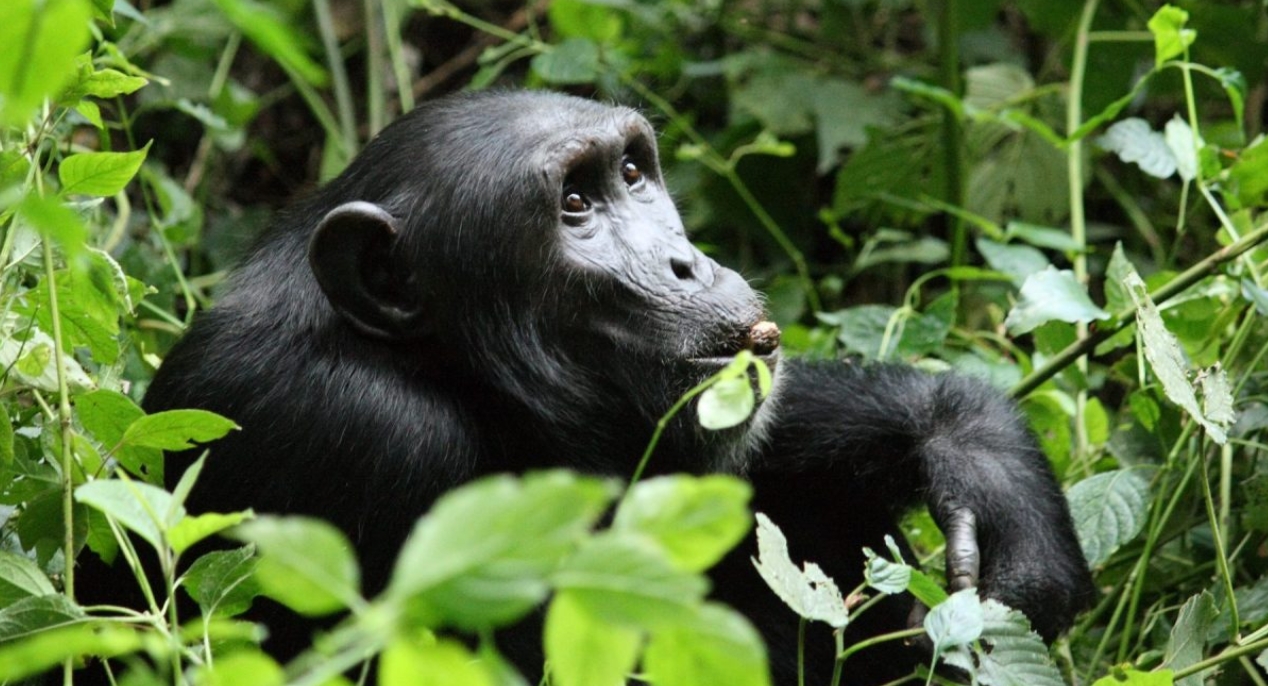
Visitors should understand that a chimpanzee family in Kibale Forest National Park can have over 100 individuals. During habituation, stay close to different individuals rather than in the same group. Chimpanzees unite at night to nest, but during the day, they spread out to search for food and carry out their activities.
Chimpanzee communities vary in members and are not always in the same group, allowing only 12 people for chimpanzee habituation in Kibale Forest. Armed ranger guides decide which chimpanzees to habituate. This experience differs from gorilla habituation, where only 4 people habituate a smaller group of gorillas.
How Much Does a Chimpanzee Habituation Permit Cost in Kibale?
Travellers wishing to trek and see a chimpanzee family in Kibale Forest National Park must obtain a chimpanzee habituation permit from the Uganda Wildlife Authority. This permit can be arranged through a licensed local tour operator at the same price. Fees are $300 for non-foreign residents, $250 for foreign residents, and UGX 250,000 for East African citizens.
Visitors wanting to do chimpanzee habituation in Kibale Forest National Park should know that permits are limited. It’s important to book a permit 4-5 months in advance to avoid disappointment.
The Chimpanzee Habituation Process in Kibale Forest National Park
Chimpanzee habituation in Kibale Forest National Park occurs throughout the year. To join, you need a habituation permit from the Uganda Wildlife Authority, which should be shown at the Kanyanchu Visitor’s Centre during the morning briefing.
The briefing informs visitors about the rules for the chimpanzee habituation in Kibale Forest. A maximum of 12 people can participate, divided into 2 groups of 6, each led by armed ranger guides and researchers.
The search for the semi-habituated chimpanzee family in Kibale Forest involves various trails to find fruiting trees. It can take 2-6 hours to locate them, after which trekkers can see and interact with the chimpanzees.
During the chimpanzee habituation process, visitors participate alongside researchers to help chimpanzees get used to human presence. They enjoy opportunities to photograph and film while learning about chimpanzee behaviour and observing their daily activities, such as grooming, feeding, and playing.
What is the Best Time to Visit Kibale Forest National Park?
Kibale Forest National Park can be visited throughout the year, although some months are more favourable than others. The dry months, from May to early September and from December to February, offer the best time for the chimpanzee habituation experience.
This is because these months receive little to no rainfall, making roads connecting to the park dry with short vegetation cover and the trekking trails easily navigable. The skies are clear, which makes photography possible due to clear visibility.
Travellers who are planning to visit Kibale National Park can do so during the rainy season, in the months of March to June and September to November. However, these months receive too much rainfall, which makes roads connecting to the park slick, muddy, and slippery. The trekking trails are impassable, with thick vegetation cover that obscures wildlife sightings, among others.