

Iconic Wildlife Experiences in Uganda
Iconic Wildlife Experiences in Uganda: Uganda isn’t just a destination; it’s a reset for the soul. The air smells of rain and tea, children laugh as you wind through dusty villages, and every day you’ll encounter a new, unforgettable animal moment. Below is a warm, human take on Uganda’s most iconic wildlife experiences—designed to help you picture, plan, and feel inspired to press “book”.
Iconic Wildlife Experiences in Uganda
1) Gorilla trekking: a quiet, electric hour with our closest cousins
I’ll never forget the first time I stood under the moss-draped canopy of Bwindi. The forest muffles sound, every leaf holds rain, and then—there they are. A silverback lifts his head, a mother clucks softly to her infant, and the world narrows to this small, breath-held moment.
Where and when
- Bwindi Impenetrable National Park (Buhoma, Ruhija, Rushaga, Nkuringo) is the heart; Mgahinga offers a quieter, volcanic-border alternative.
- Best time: The forest wears rain year-round; dry spells make footing easier, but the mood can be delightfully dramatic after a shower.
What to expect
- Permits are scarce and precious—book early, and plan your day to savour the moment before and after the trek.
- The walk can be steep and slippery; you’ll feel the jungle’s old muscles in your legs.
- You’ll spend at least an hour with a gorilla family after you reach them. Time slows when you see their expressions, their grooming, and their easy camaraderie.
Tips that might save a moment (and a smile)
- Dress in layers, sturdy boots, and a light rain jacket.
- No flash photography, keep voices soft, and let the guides lead—your presence should feel like a quiet invitation, not a demand.
- If you’re having any sickness that is airborne, postpone. Gorillas are sensitive to illness, and your health protects them.
2) Queen Elizabeth National Park: a grand, punched-with-life panorama (Iconic Wildlife Experiences in Uganda)
If Uganda had a postcard, Queen Elizabeth would own it. The park riffs between savanna, forest, and lakes, and it somehow fits countless species into one day.
Why it’s iconic
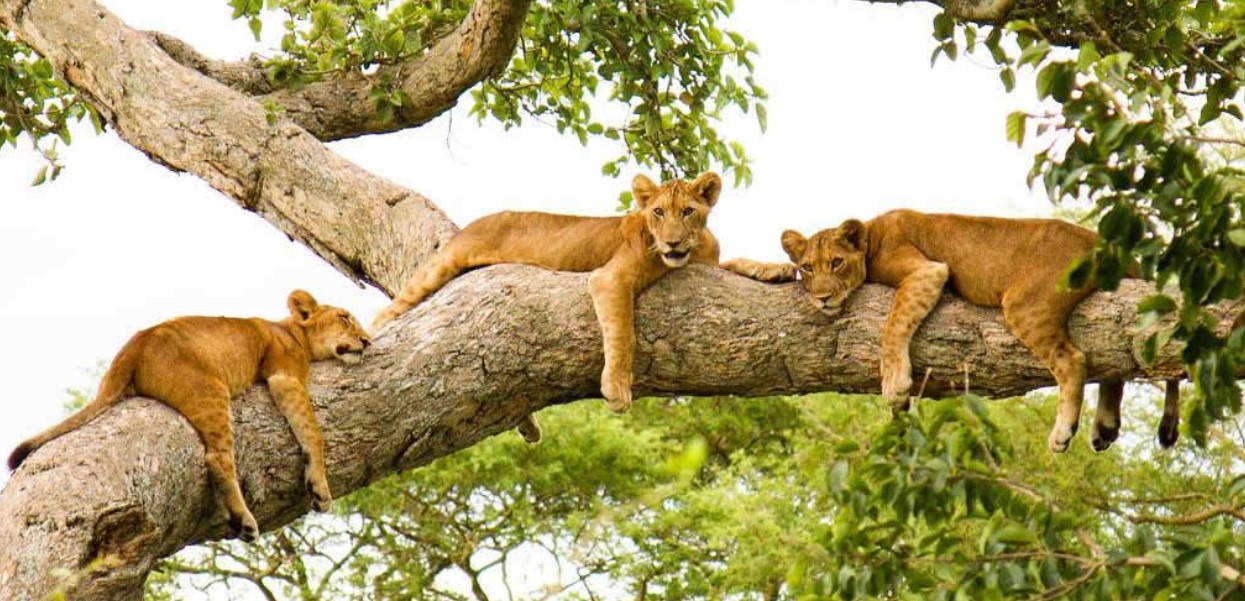
- Big cats, elephants, hippos, buffalo, and the legendary tree-climbing lions—yes, they exist, and yes, they’ll surprise you.
Where and when
- Western Uganda, near the Rwenzori foothills. A mix of game drives and a Kazinga Channel boat cruise will show you the park’s heartbeat.
What to expect
- Early coffee-fuelled game drives yield giraffe silhouettes, elephants dusting themselves, and the occasional leopard’s distant watch.
- The Kazinga Channel glides you past hippos that look like old, grumpy statues and crocodiles that nap in sunlit crooks.
- Tree-climbing lions nap on sun-warmed branches, a reminder that nature loves a quirky sculpture.
Practical, camera-friendly tips
- Do both drives and the boat; the perspectives are different and complementary.
- Bring a telephoto lens for the big cats and a wide lens for landscapes.
- Pack water, sunscreen, a hat, and insect repellent.
3) Murchison Falls: where the Nile roars and the air tastes like spray (Iconic Wildlife Experiences in Uganda)
Standing at the top of Murchison Falls, you feel the river’s power as a living thing—a force you can’t ignore.
Why it’s iconic
- The Nile is tame and fierce all at once, forced through a narrow gap that roars and shouts in a spray of mist.
Where and when
- Uganda’s biggest national park, in the northwest. It’s reachable by a short flight or a road journey that gives you time to watch rural life roll by.
What to expect
- A boat ride to the base of the falls, then a hike to a clifftop vantage point where the river fans out below you.
- Wildlife along the banks: elephants nodding by the water, kob and buffalo wading, and hippos lounging in the mud.

Practical notes
- Morning boats often offer calmer waters and better light for photos.
- Wear sturdy shoes for the climb up to the viewpoint.
- Water levels change; when the river is higher, the spray and roar intensify; when lower, you still get the drama.
4) Kibale Forest, birding and the music of chimps (Iconic Wildlife Experiences in Uganda)
Chimpanzees aren’t just a species; they’re a mood. Their calls carry through the canopy like a living soundtrack.
Why it’s iconic
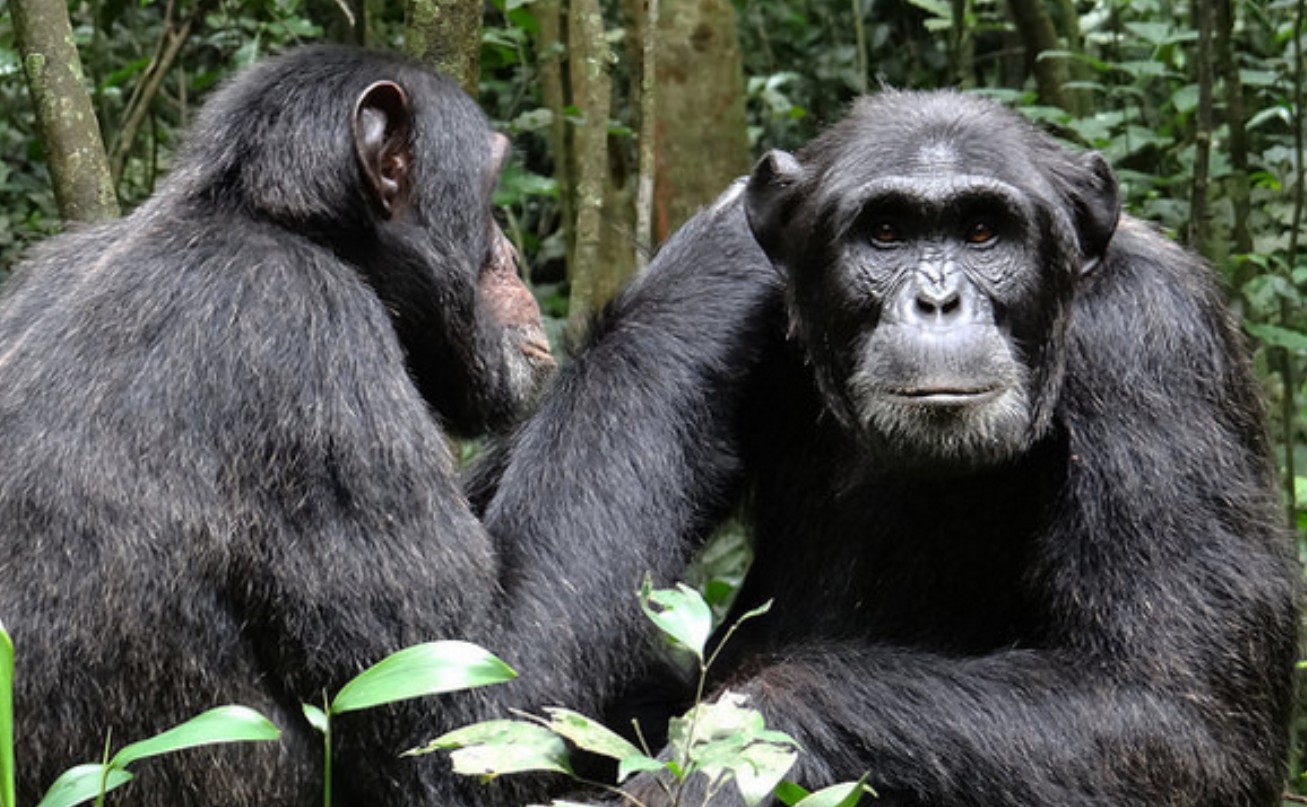
- You’re listening to your closest living relatives—and you get to watch them in their forest gym, wrestling, playing, and sharing.
Where and when
- Kibale Forest National Park, near Fort Portal. Open year-round, though humidity spikes in the rainy season.
What to expect
- Chimp trekking usually lasts a couple of hours, with a front-row view of chimp behaviour: foraging, mother-infant interactions, and surprising bursts of energy.
- The forest is alive with birds, monkeys, and the feeling of being inside a living museum.
Tips
- Oldies and kids: Trekking is strenuous; check with your guide about suitability.
- Bring a sturdy pair of boots, long pants, and a rain layer.
- A camera with zoom helps you catch expressions without crowding the chimps.
5) Semuliki National Park: hot springs and a unique, quiet birder’s paradise (Iconic Wildlife Experiences in Uganda)
This one feels like stepping into a different planet—a tropical, Ituri-style forest with secrets at every turn.
Why it’s iconic
- Dense forest, hot springs, and rare wildlife that make you feel like you’ve slipped back in time.
What to expect
- Forest primates, forest antelopes, and a chorus of birds; the senses are in overdrive here.
- Less visited, which makes the experience more intimate and the wildlife easier to notice with a good guide.

Practical tips
- Facilities can be limited; plan ahead on lodging and access.
- Hire an experienced guide to navigate the trails safely and to help you spot wildlife.
6) Birds of Uganda: a fluttering, colorful tapestry (Iconic Wildlife Experiences in Uganda)
If you think you love birds, Uganda’s avian life will redefine that love.
- Shoebill Stork haunting swamps near Ziwa and other wetlands like Mabamba on the shores of Lake Victoria.
- Great Blue Turturaco, Crown Cranes, sunbirds, Lilac-breasted Rollers, kingfishers—colour and motion everywhere.
- Lake Victoria’s waterbirds add their own chorus and the unique Albertine rift endemics.

Tips for bird lovers:
- Binoculars (8×42 or 10×42) and a compact field guide or app are your best friends.
- Dawn and dusk are your prime hours for movement and colour.
Practical wisdom for a joyful Uganda wildlife trip (Iconic Wildlife Experiences in Uganda)
- Permits and planning: Gorilla permits are finite and coveted; book well in advance. A local operator can handle logistics, which takes a lot of stress out of travel.
- Timing: A lush, wildlife-centred itinerary often runs 10–14 days to weave gorillas, chimps, savannas, and river adventures together.
- Health and safety: Check vaccinations and malaria prophylaxis, and carry a small first-aid kit. Hydration is essential in heat and altitude.
- Packing: Breathable clothing, sturdy boots, a rain layer, sun protection, a light backpack, a water bottle, and camera gear.
- Culture and conservation: Meet communities, support local businesses, and choose eco-conscious lodges. Leave nothing but footprints; take memories.
A flexible, sample-outlined itinerary to spark your imagination about Iconic Wildlife Experiences in Uganda
Here’s a simple, heart-led 10–14 day arc you can adapt as you explore Iconic Wildlife Experiences in Uganda:
Days 1–2: Land in Kampala; ease into the journey with a scenic transfer toward Bwindi.
Days 3–4: Gorilla trekking in Bwindi, with time for community visits or a gentle forest walk.
Day 5: Transit to Queen Elizabeth; an evening drive to catch the park’s vibrancy in the golden light.
Day 6: Early game drive; afternoon Kazinga Channel boat.
Day 7: Move to Kibale; chimp trekking in the late afternoon.
Day 8: Optional forest wander or a village visit to soak in local life.
Days 9–10: Murchison Falls; Nile boat safari and a climb to the upper viewing points.
Days 11–12: Flexible add-ons (Semuliki, more birding, or a relaxed day).
Days 13–14: Return to Kampala; a last look at markets and perhaps a dance or music night before departure.
Note: Roads can be long; give yourself grace and plenty of time for travel between parks
In conclusion, Uganda’s wildlife is a conversation you’ll remember. If there’s one thing Uganda teaches visitors, it’s how to listen. Not just with your ears, but with your whole self—the pace of your breath, the quiet hush before a gorilla emerges from the ferns, the way your shoulders drop when a boat slips into the Kazinga Channel’s glassy water, and the smile that won’t be wiped away after a chorus of birds erupts above a morning savanna.
These experiences aren’t just destination highlights; they’re moments of connection—between you and our planet, between strangers who become friends on a dusty path, and between your own routine life and a wider, wilder world that still feels kind and intimate.
A few last, personal invitations as you plan your journey:
- Let curiosity lead, but pace yourself. Uganda’s magic unfolds in small, pause-worthy moments: a child’s wave as you pass a village, the scent of coffee and rain after a storm, and the soft rustle of leaves as you catch sight of a distant buffalo.
- Bring a willingness to be changed. Some encounters will surprise you, challenge you, or simply leave you with a memory you didn’t know you were searching for.
- Invest in local voices. Hire guides who know the land and its people; stay in community-run lodges; savor crafts and stories that keep the heart of Uganda alive beyond the photos.
- Carry gratitude as you go. Wildlife thrives when we tread lightly, listen more than we talk, and leave the smallest footprint possible for the next traveller to discover.