
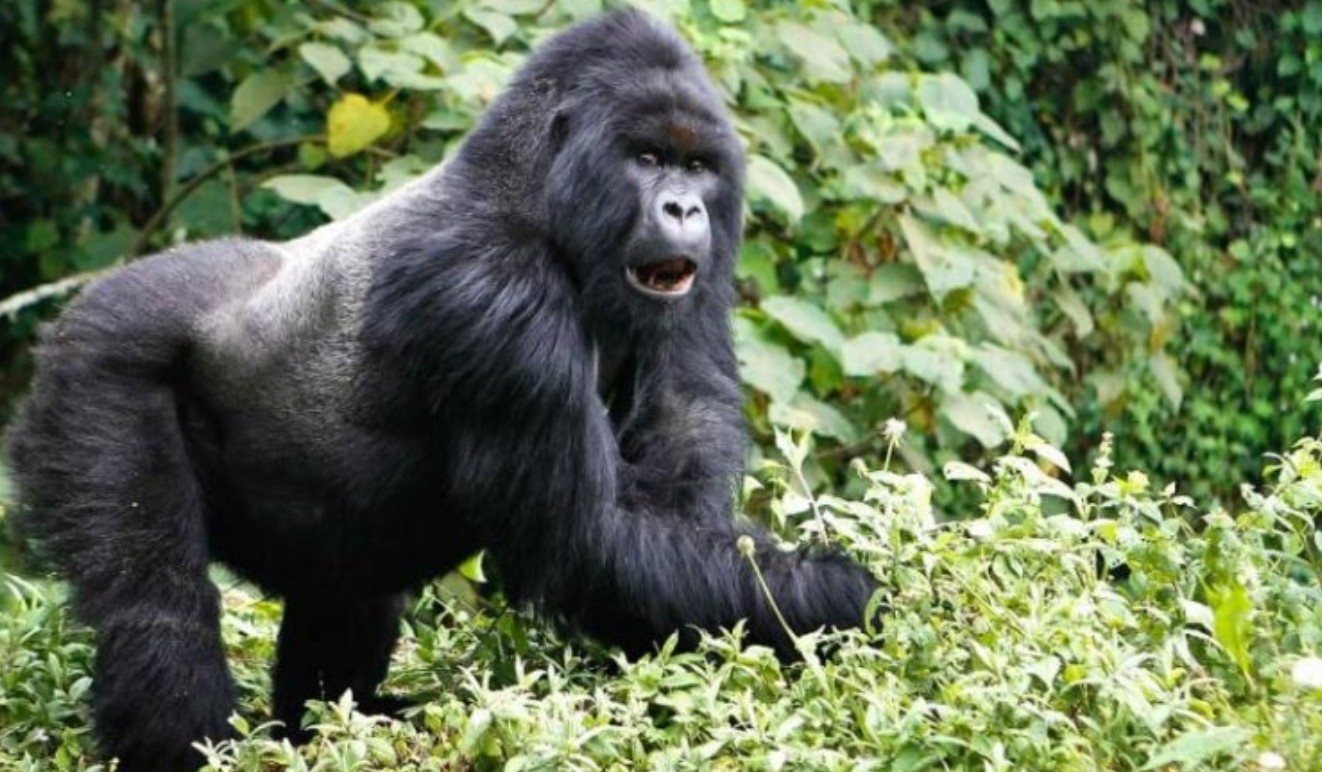
Practical planning tips for gorilla trekking in Africa
Practical planning tips for gorilla trekking in Africa: Although it takes careful preparation, gorilla trekking in Africa provides a once-in-a-lifetime chance to see endangered gorillas in their native environment. To reduce the impact on the gorillas, important factors include choosing a destination (such as Rwanda, Uganda, or the Democratic Republic of the Congo), obtaining permits well in advance, and adhering to stringent conservation regulations. In order to ensure a safe, responsible, and memorable trip, travellers should also arrange for suitable weather, acclimatisation, physical fitness, and guided forest treks with certified operators.
Below are some of the practical planning tips for gorilla trekking in Africa one should consider for a rewarding experience.
When to book:
Usually sold many months in advance, gorilla permits are limited so early booking is strongly advised. Plan at least 6–12 months ahead for Rwanda and Uganda; 6–12 months ahead for DRC depending on security and travel windows.
Permits and regulations:
Each country requires a permit per person to trek with gorillas; rules about group size, age restrictions (often a minimum age of 15 or 16), and health guidelines are strict.
Health and safety:
Gorilla trekking can be demanding, so make sure you’re physically fit. Bring a small first aid kit, insect repellant, sturdy hiking boots, fresh water, and a light rain jacket. To save the gorillas, think about postponing your trip if you’re ill or have lately come into contact with infectious diseases.
What to pack:
Quick-dry clothing (it can get cool at higher levels), gloves, knee-high socks, a waterproof jacket, a hat, a scarf or buff, sunscreen, sunglasses, and quick-dry gear are all recommended. A small camera with a zoom lens (and additional batteries), but maintain your distance with and show consideration for wildlife.
Accommodations(Practical planning tips for gorilla trekking in Africa):
Select lodges that promote conservation and, if at all possible, offer experiences centred around villages or communities. Staying close to the park entrance reduces lengthy transfers and lengthens the time spent trekking.
Group size and guides:
Most parks limit the number of visitors per gorilla group per day. Your guide will lead you and help enforce and remind you the rules. Choose operators with ethical practices and trained experienced guides such as Journeys Uganda.
Health considerations:
Some parks require a yellow fever vaccination and other immunizations depending on country regulations. Check current health advisories and medical insurance coverage.
Conservation and responsible travel (Practical planning tips for gorilla trekking in Africa)
Why responsible travel matters:
Gorilla populations are fragile, and habitat loss, disease, and poaching threats require careful management. Tourism, when responsibly managed, funds conservation, veterinary care, and community programs.
How to travel responsibly:
- Make reservations with respectable, licensed companies who abide by park regulations and support conservation initiatives.
- Respect the gorillas’ personal space by staying away from them, remaining silent, and adhering to the guide’s recommendations about the minimum distance and duration of time spent with them (often an hour).
- To prevent crowding, maintain a safe distance from other guests.
- Avoid littering, handle your garbage properly, and support eco-lodges. By booking lodging at locally owned establishments, interacting with local tour guides, and purchasing locally made items, you can support your community.
Health protocols:
Considering gorillas are prone to human illnesses, visits are strictly controlled, and trekkers from specific areas or during outbreaks may be required to undergo health examinations or receive vaccinations.
A memorable journey that supports gorilla survival and the well-being of local communities for years to come can be achieved by combining practical logistics with a strong conservation ethic. Gorilla trekking is a life-changing experience that depends on careful planning and responsible travel. Visitors can enjoy a safe, unforgettable experience while supporting conservation and local communities by obtaining advance permits through licensed operators, adhering to wildlife regulations and minimising disturbance, and physically preparing with the right gear and health precautions.