
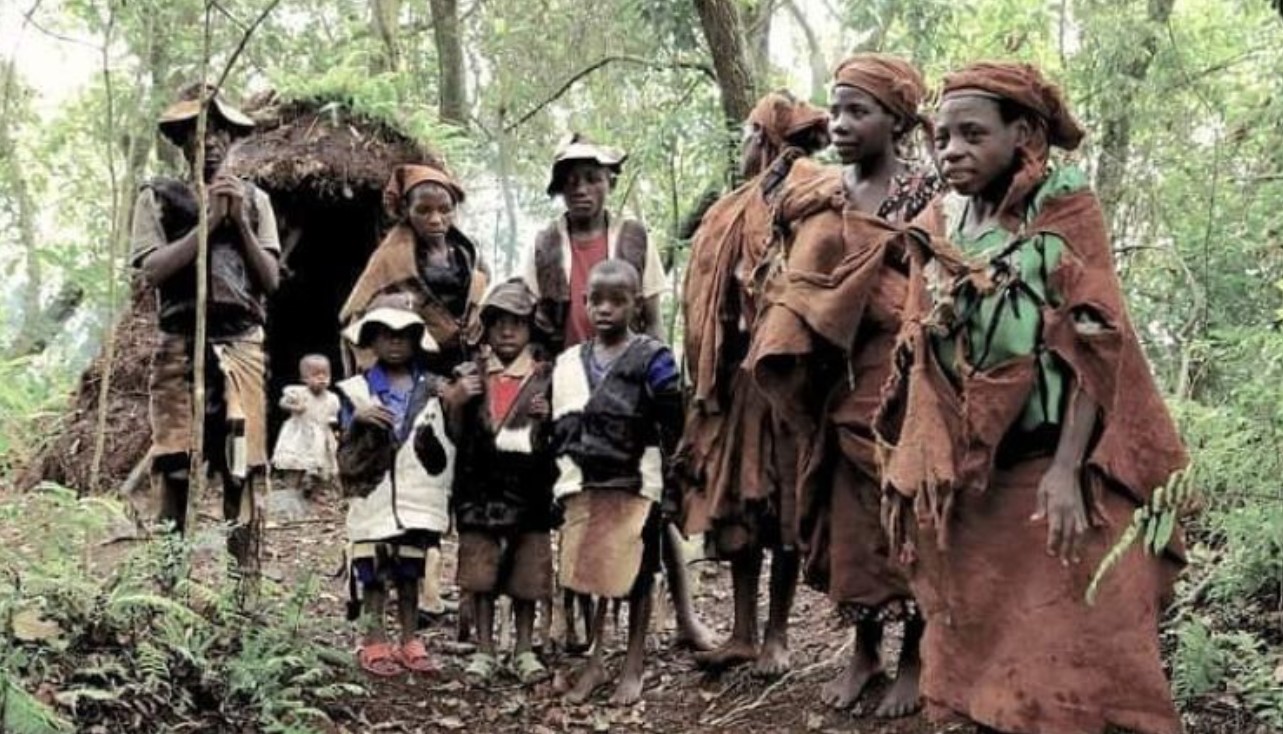
The Batwa-Pygmies of Bwindi Impenetrable National Park
The Batwa-Pygmies of Bwindi Impenetrable National Park: As the original inhabitants of Bwindi Forest, the Batwa pygmies are referred to as indigenous forest guardians. Physically, these pygmies are diminutive and of short stature, and their means of subsistence was small game hunting with bows and arrows. In addition, they gathered fruits and honey. The Batwa pygmies used to sleep in caves and in small thatched houses made out of tree branches when they were residents of the park. Having lived in the forest for countless years, the hunter-gatherer “Batwa pygmies” lived in the deep forest of Bwindi alongside the wildlife until the government drove them out when it was time to gazette the park.
The Batwa pygmies were compensated with land to grow crops in place of the small animals they killed for meat in the park after they agreed to leave Bwindi Forest. Currently, more than 600 mountain gorillas, 10 other primates, 350 bird species, and 120 mammal species are protected within Bwindi Impenetrable Forest National Park. After leaving the national park, the Batwa people now live in the settlements that surround it as well as outside of its boundaries.
Explore the Batwa Communities
Travellers in Bwindi will have the chance to visit the Batwa homesteads in the morning or afternoon during your gorilla safari in Bwindi. This is an activity you should not miss when visiting the park for a safari. The trip through the deep forest to the Batwa settlements that encircle the park takes three to four hours. The Batwa craft shop in the Buhoma neighbourhood is the starting point for experiencing Batwa culture. The entire journey there is less taxing because the walkways leading to the Batwa town were carefully built.
During the Batwa Community visit, porters can be hired for a fair charge to help with carrying heavy bags for tourists, especially those going to filming locations. Locals who want to support their families and continue their studies are the porters; they are job seekers. The Batwa cultural experience is led by knowledgeable local guides who are knowledgeable with rich history about the Batwa communities and the forest.
The itinerary begins with a nature walk through the rainforest, where you will learn a great deal about the local ecology and the Batwa people’s traditional survival techniques from the guides. By taking a stroll in the forest and learning about their methods of gathering honey, harvesting fruits, and hunting small game with bows and arrows, you may gain an understanding of how these people used to exist in the jungle. The plant species in the forest are still used by traditional healers in the area to treat a variety of illnesses in the community.
Expect a warm welcome from the Batwa community members, where you will be welcomed and entertained with plays and dances by the Batwa village’s traditional dancers. You will study and learn about their regular lives in a number of different homes as you will witness women cooking, men excavating, children fetching water, and a plethora of other activities. You can help prepare meals or try some of their local fare. You will engage with old people who will regale you with stories from bygone ages, visit gift shops where you can explore some of the products manufactured there, and meet traditional healers who will explain how various herbs can treat maladies.
What to pack for the Batwa cultural experience in Bwindi
Since Bwindi is a tropical rain forest, it can rain at any time of day. As such, visitors who intend to go on a gorilla safari and see the Batwa pygmies should pack appropriate clothing for the challenging terrain, including long sleeves, pants, and waterproof hiking shoes. They should also bring energy-boosting snacks, insect repellents, a camera, binoculars, and extra batteries. The trip is demanding and calls for water.
Cost of seeing the Batwa people
Participating in the Batwa cultural adventure without having to pay park entrance fees because the experience is conducted outside of the park. The only price is a $40 ticket for both non-foreign residents and foreign residents, and UGX40,000 for East Africa citizens. The revenue gathered from visitors who come to view the Batwa people is utilised to help the community members and expand a couple of their enterprises. The Batwa not only raise funds but also give clothing and supplies for education to those in need.