
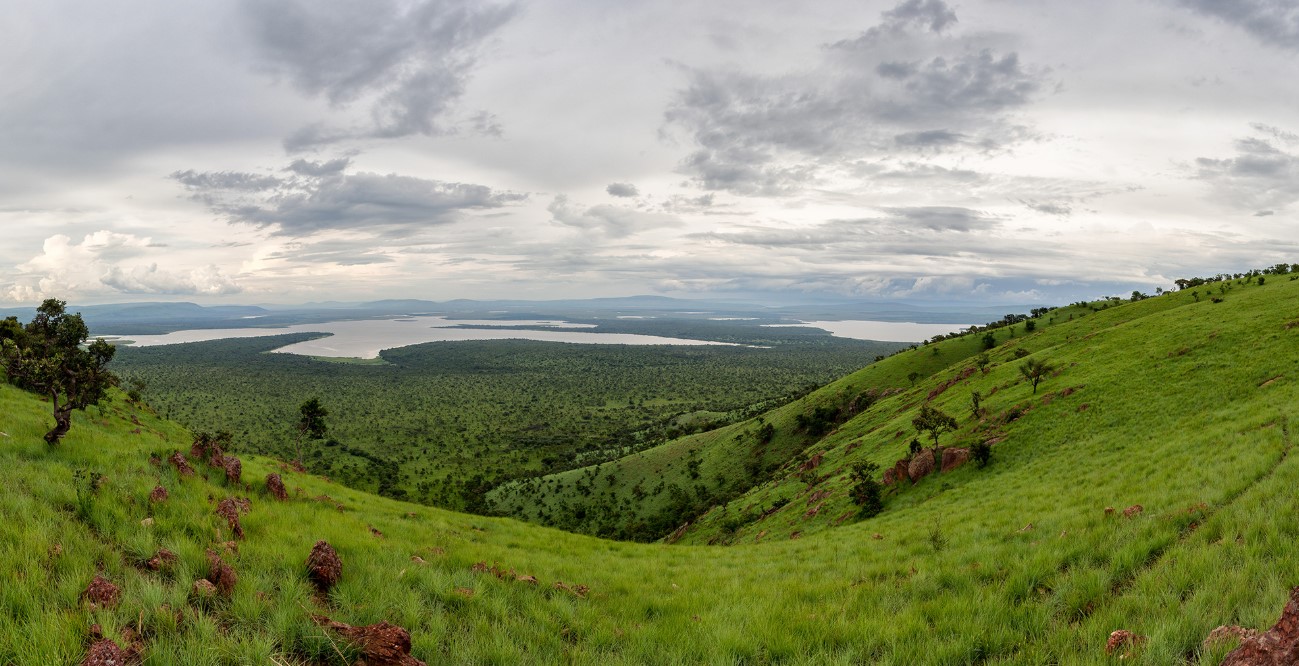
The Size of Akagera National Park
The Size of Akagera National Park: Akagera National Park is a protected area that spans around 1,122 square kilometers and is located on the country’s northeastern border. The park was established in 1934 and is among the oldest in Africa. Swamps, savannahs, lowlands, and woodlands make up the park. The park was once larger than that, but in the 1990s, refugees from Rwanda‘s civil wars returned to the area, causing human encroachment and environmental destruction through poaching and livestock rearing. The Rwandan government gave newcomers a portion of the park to remain in while reducing its overall size.
Considering the size of Akagera National Park, in the west of the park, you find rolling hills and valleys more typical of the Rwandan countryside, whereas to the east of the park are a series of lakes, papyrus swamps, and marshes that create the central and eastern largest protected wetlands of Africa. This park is a small park and home to several wildlife species, such as animals and bird species, with beautiful scenery
Akagera National Park is home to animals such as hyenas, lions, buffaloes, zebras, rhinos, elephants, leopards, topis, impalas, elands, and different bird species such as fish Eagle, Scared and Hadada Ibis, Pied Crow, long-crested Eagle, Grey Crowned Crane, Squacco Heron among others. On the southern side of the park is Lake Ihema, home to crocodiles and hippos. Akagera National Park has other lakes such as Lake Shakani, Lake Birengero, Lake Mihindi, Lake Kivumbi, Lake Murambi, and many others.
To the east of the park are several lakes, papyrus swamps, and marshes that form the largest protected wetlands in Africa’s central and eastern regions. In contrast, the west of the park features undulating hills and valleys that are more typical of the Rwandan landscape. Although Akagera National Park is tiny, it boasts a wide range of species, birds, and habitats, as well as some beautiful landscapes.
The creatures that call this park home include hyenas, lions, buffaloes, zebras, rhinos, elephants, leopards, topis, impalas, elands, and many bird species like Fish Eagles, Pied Crows, Long Crested Eagles, Grey Crowned Cranes, and Squacco Herons. Lake Ihema is located on the park’s southern edge and is home to hippos and crocodiles. There are numerous other lakes in Akagera National Park, including Lake Shakani, Lake Birengero, Lake Mihindi, Lake Kivumbi, and Lake Murambi.
Activities to do in Akagera
Even though Akagera National Park’s wildlife is not as abundant as that of other national parks, there is still plenty to see and do during a safari thanks to the recently finished perimeter fence and anti-poaching measures, which have significantly improved the park’s animal population. The park is currently making good progress towards restoration. Game drives, backstage tours, boat cruises, nature walks, birdwatching, sport fishing, and many other activities are available to visitors to Akagera National Park, making your safari unforgettable.
Other activities to do in Akagera
Many visitors combine their visit to the most popular parks in Rwanda, like Volcanoes National Park, with a game drive for wildlife species in Akagera National Park to get up close and personal with mountain gorillas and golden monkeys. 5 out of 8 Virunga mountains, golden monkeys, and mountain gorillas can all be found in Rwanda’s most well-known park, Volcanoes National Park. Chimpanzee trekking, canopy walks, and colobus monkey trekking are all possible in Nyungwe Forest National Park. Another well-known national park for primate viewing is Gishwati Mukura.
Following the size of Akagera National Park, the park is one of the top destinations with a tremendous impact on the ecological importance and sustainability of the ecosystem. The park’s savannah, woodlands, and landscape support an array of wildlife species, hence an asset to the country’s natural heritage.