
Uganda’s Cultural Treasures
Uganda’s Cultural Treasures: One of the few countries in Africa with such a varied culture is Uganda, which allows tourists and culture enthusiasts to immediately delve into its past from antiquity to the present. As they explore Uganda’s history, tourists can stop by historic palaces, kingdoms, and shrines. Hiking vacations and thrilling adventure safaris like gorilla and chimpanzee trekking are popular in the nation. observing Uganda’s 56 separate tribes, each of which has its own customs, traditions, and values, as well as its own native language, art, and cuisine. For a fuller experience, these cultural safaris always combine with wildlife experiences that include hiking with chimpanzees and tracking primates like gorillas.
Uganda’s Cultural Treasures
Following Uganda’s Cultural Heritage, the opportunity to engage with local communities and witness Uganda’s diverse cultures is provided by cultural experiences. Folk stories, cultural dances, and preparing local cuisine are all available to visitors. Along with excursions to historic palaces, kingdoms, and shrines, these trips offer a glimpse into Uganda’s past from pre-colonial to post-colonial periods. The following are Uganda’s most well-liked cultural tours:
The Batwa Cultural Trail and Experience
Uganda’s most visited cultural destinations include the Batwa cultural route and experiences in Mgahinga Gorilla National Park and Bwindi Impenetrable Forest National Park. Travellers can learn about the ancient history and way of life of the Batwa people, also referred to as the Batwa Pygmies, on these trips. They were the original occupants of both Bwindi Impenetrable National Park and Mgahinga National Park, living as hunter-gatherers who depended on the forest for medicine, food, and shelter.
In the jungle, apart from other tribes, the Batwa lived contentedly in this protected forest before their eviction in 1990 to protect the endangered gorillas and their habitats, since they were seen as poachers according to both the colonial rulers and the Ugandan government.
The Batwa now reside in villages and settlement camps after being evicted from their forests in Mgahinga Gorilla National Park and Bwindi Impenetrable Forest National Park. Their cultural legacy was sacrificed as a result of this transformation. The Batwa have struggled to transition from hunting and gathering to farming since they were forced out of the forest in 1991, despite aid from a number of organisations. They had numerous issues, including tribal strife, poverty, disease, alcoholism, and primitivity based on poaching.
Following Uganda’s Cultural Treasures, Uganda Wildlife Authority, the country’s autonomous body in charge of managing and protecting wildlife, and USAID established the cultural tourism adventure experiences, including the Batwa Cultural Trail in Mgahinga National Park and the Batwa Cultural Experience in Bwindi Impenetrable NationalPark. These cultural trips are aimed at supporting the Batwa people as a way of benefiting from the tourism revenue in order to sustain their existence. The history and lifestyles of these forest stewards are introduced to visitors. Furthermore, it aids tourists in understanding the difficulties these pygmies encounter as they adjust to life outside of the bush.
Comparing the Batwa cultural route inside Mgahinga National Park to the Bwindi cultural trail outside the park, the former is longer. With the Batwa people’s direction, this five-hour Batwa cultural trail takes place. For blessings and protection on your journey, the guide starts by calling upon the spirits of your ancestors. Discovering the utilization of various plants, trees, and hunting techniques while exploring the beautiful jungle is enjoyable for visitors. Gathering fruit, creating fires, preparing food, and building huts are among the additional activities. Batwa folk tales and a traditional Batwa performance are promoted in the Ngarama Caves, where the trail ends.
Karamojong-Uganda’s Cultural Treasures
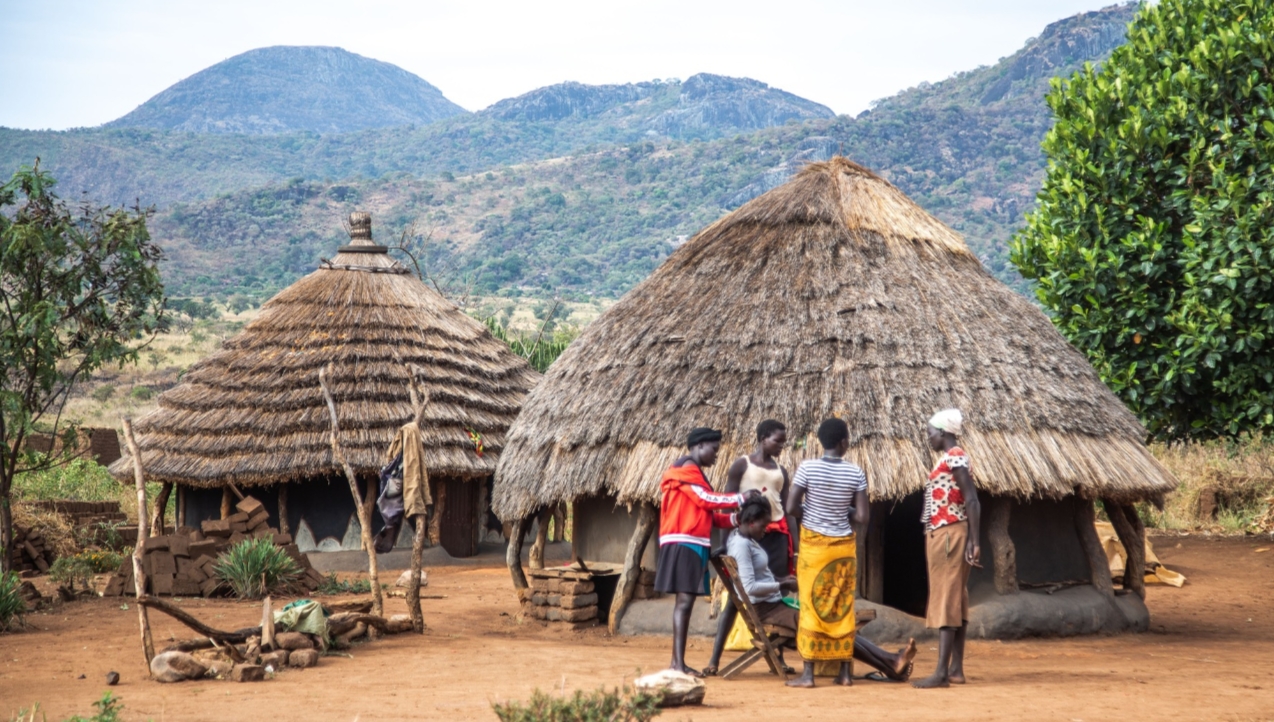
In addition to the Batwa, the Karamojong cultural trip is another exceptional cultural journey that provides a life-changing experience. This would allow tourists to experience the Karamajongs’ social lifestyle, including touring their homesteads, sometimes referred to as Manyatta villages, particularly in the vicinity of Kidepo National Park. These Karamajongos, who originated in Ethiopia before 1600, are renowned for their violence, bravery, herding, and fighting prowess. These nomadic pastoralists are divided into multiple clans, under democratic communities including Matheniko, Bokora, and Pian, and they speak a shared language with people from South Sudan, Kenya, and Uganda.
Karamojongs have lived in the north eastern part of the country for quite a long time, well known to be one of the most challenging tribes, not only to the colonial masters but to the current government as well. This is attributed to their warrior nature and the activities of cattle rustling in the region. Historically, the Karamajongs are known to be nomadic pastoralists who live on the move and depend on animals, mainly cattle, and other animals such as goats, sheep, and others. However, the majority of Karamojongs
have begun to settle down. Religiously, they still believe in their traditional religion, worshiping god Ajuk, whom they consider to be their source of cattle and prosperity, in contrast to Islam and Christianity.
Following Uganda’s Cultural Treasures, to preserve wild animals, the Karamojong people move their livestock to other areas for grazing and water. This unique festival highlights their homesteads, village structures, and language, promoting a sense of community. Visitors are greeted by joyful children, and the day can end with them singing and dancing by a fire. Often performed by women and children, the traditional dances and performances are a highlight of these visits.
The IK-Uganda’s Cultural Treasures
The IK people are among those unique tribes that inhabit the north eastern corner of Uganda near the Uganda border, near the protected areas of Kidepo Valley National Park. It is one of the smallest ethnic groups with an estimated number of 10,000 individuals. Commonly known as “people of the moon”, they were originally pastoralists, fruit gatherers, and hunters, but later resorted to farming, such as bee-keeping and animal husbandry, among others. This came as a result of constant attacks from the nearby tribes, especially cattle rustlers.
The Ik got their popularity from Colin Turnbull’s in the 1970s based on his book ” The Alpine People, which he wrote after falling in love with their peaceful lifestyle up the mountain on his one-day tour in the area. Visitors can learn a lot from the Ik community, including their social lifestyle, history, norms, traditions, and customs, among others.
Kampala Cultural Tour
Kampala is among those emerging cities, blossoming at a faster rate, with a vibrant cultural heritage. Kampala, the capital of Uganda, serves as a hub for a diverse ethnic group emanating from different parts of the country. These ethnic groups are dominated by the Baganda, the largest tribe, due to their strategic location, which is in the heart of the city. The Baganda people, who are part of the Bantu-speaking people, are commonly found in the central districts of Mpigi, Luweero, Lwengo, Kayunga, Mukono, Kayunga, Kampala, Mpigi, Lwengo, and other.
Being predominantly farmers, the Baganda people cultivated a variety of crops, including sweet potatoes, cassava, and bananas, and kept livestock, including goats and cattle. The majority of domestic and agricultural work was done by women, while males concentrated on hunting and fishing. A cultural tour of Kampala showcases the rich legacy of the Baganda people. Historical places like the Uganda Museum and the Namugongo Martyrs Shrine are open to tourists. The journey includes stops at the Bulange Parliament, the Buganda Kingdom Palace, and the Kasubi burial grounds.