

Uganda’s Forest Ecosystems and Wildlife
Uganda’s Forest Ecosystems and Wildlife: I’ve spent hours imagining a forest that feels like a living cathedral—where the air is cool, the whispers of leaves tell ancient stories, and every path could lead you to a new friends-and-fairytales moment. Uganda’s forest ecosystems are exactly that kind of place. If you’re planning a Uganda forest safari, you’re signing up for moments you’ll tell people about for years: misty trails, gentle giants, and a rhythm of life that’s slower, wiser, and more intimate than anywhere you’ve been.
In this guide, I’ll walk you through three of Uganda’s most magical forested landscapes—Bwindi Impenetrable National Park, Mgahinga Gorilla National Park, and Semuliki National Park. Think of them as three chapters in a single story about habitats, unique species, and the people who work to conserve them.
Why Uganda’s Forests Feel So Alive (Uganda’s Forest Ecosystems and Wildlife)
- They’re biodiversity engines, home to creatures you’ll meet in stories and sometimes in person.
- Each forest is a different mood: Bwindi’s cloud-draped intimacy, Mgahinga’s volcanic drama, and Semuliki’s warm, whispering lowland greens.
- Conservation isn’t just about wildlife; it’s about people—local guides, communities, and visitors pitching in with every thoughtful choice.
If you’re dreaming of a Ugandan forest safari, these parks invite you to slow down, listen closely, and fall a little in love with nature all over again.
Bwindi Impenetrable National Park: The Heartbeat of a Misty Jungle (Uganda’s Forest Ecosystems and Wildlife)
What it feels like
Bwindi is a tapestry of cloud, moss, and evergreen giants. It’s cooler than you expect, with damp earth and leaves that glow after rain. The air is buzzing—with birds, insects, and the kind of quiet you only get when you’re in a place that asks you to breathe and listen.
Who calls it home
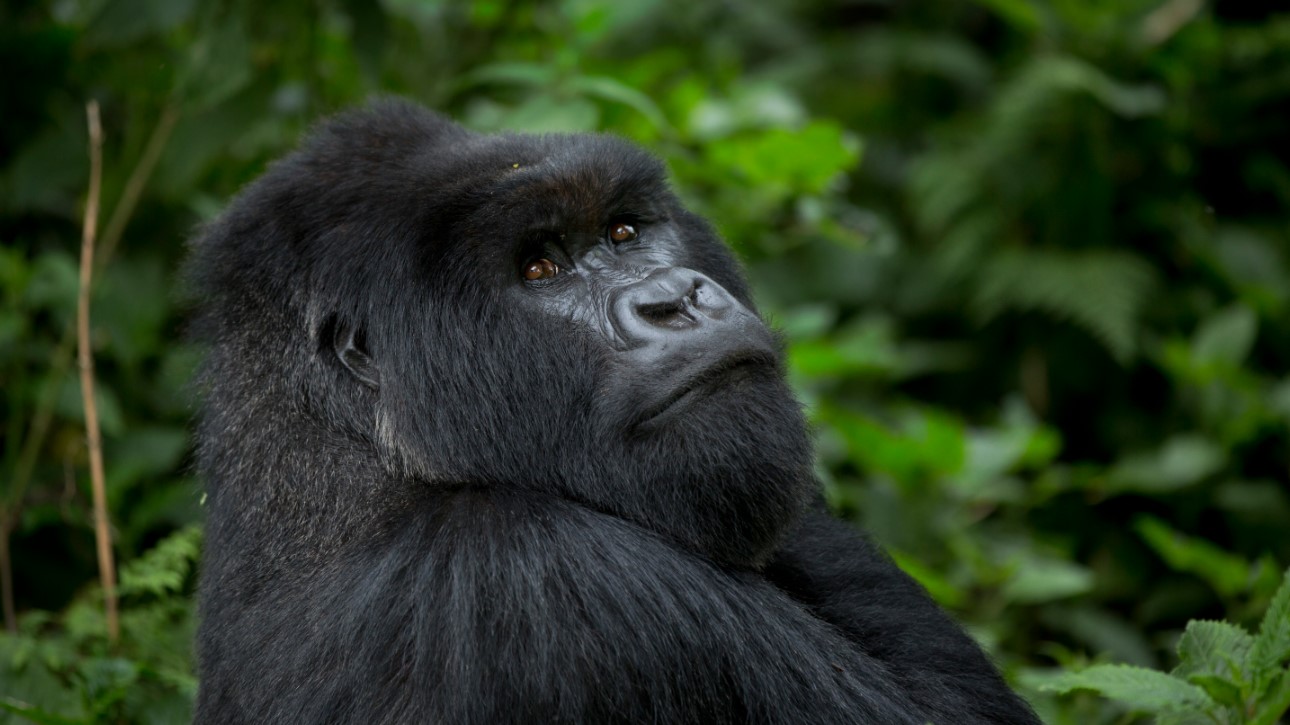
- Mountain gorillas: The park’s star residents. Watching a silverback and his family move through the undergrowth is like witnessing a quiet, powerful conversation with the forest.
- Other primates, like black-and-white colobus and vervet monkeys, peek around trees as if they’re part of the furniture.
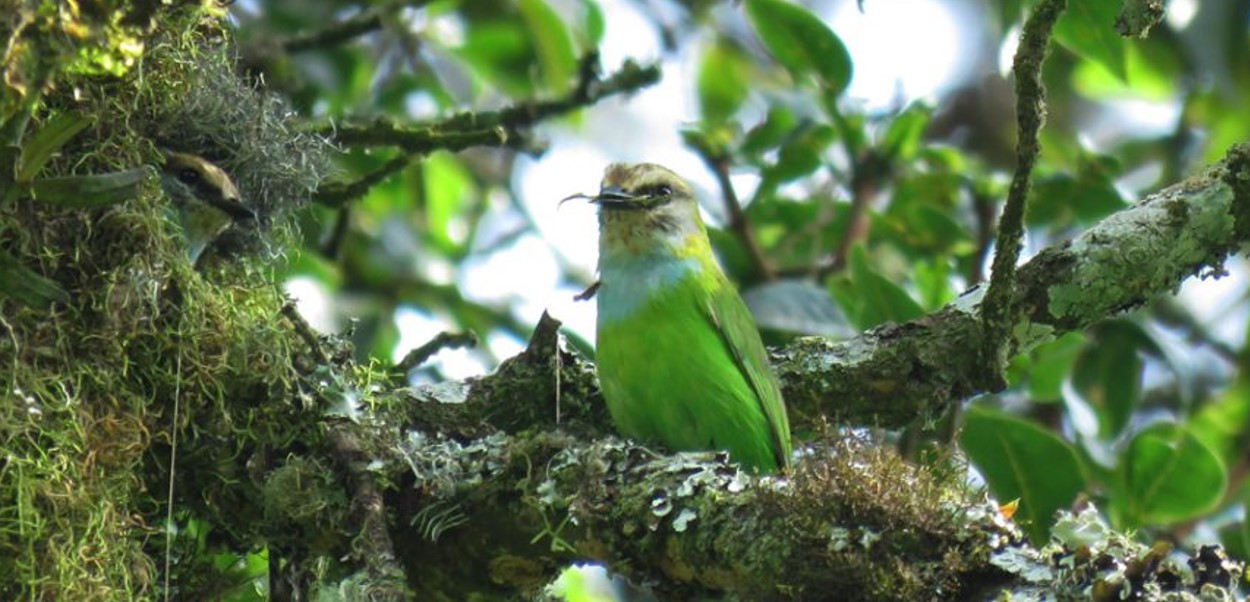
- More than 350 birds flutter and call—from the African Green Broadbill to the majestic Martial Eagle. The is home to Albertine Rift endemics.
What to do there
- Gorilla trekking. Permits are limited, so plan ahead. Treks vary in length and difficulty depending on where the gorillas move that day.
- Gentle forest walks and community visits that reveal local life and conservation work.
- If you’re lucky, a moment of stillness when a forest breathes with you.
Practical notes
- Best times: Dry seasons help with trekking, but the forest is beautiful year-round.
- Pack: sturdy boots, long pants, a light rain layer, water, and your best sense of wonder.
- Respect the animals: keep your distance, follow your guide, and never feed them.
Mgahinga Gorilla National Park: Volcanoes, Green forest, and Golden Monkeys (Uganda’s Forest Ecosystems and Wildlife)
The landscape you’ll walk
Mgahinga sits where Uganda, Rwanda, and the DRC meet, tucked into the Virunga volcanic landscape. It’s high up, with three volcanic cones, bamboo forests, and dramatic viewpoints. The air here feels a touch crisper, and the views can stretch forever, especially on a clear day.
The creatures that steal the scenes
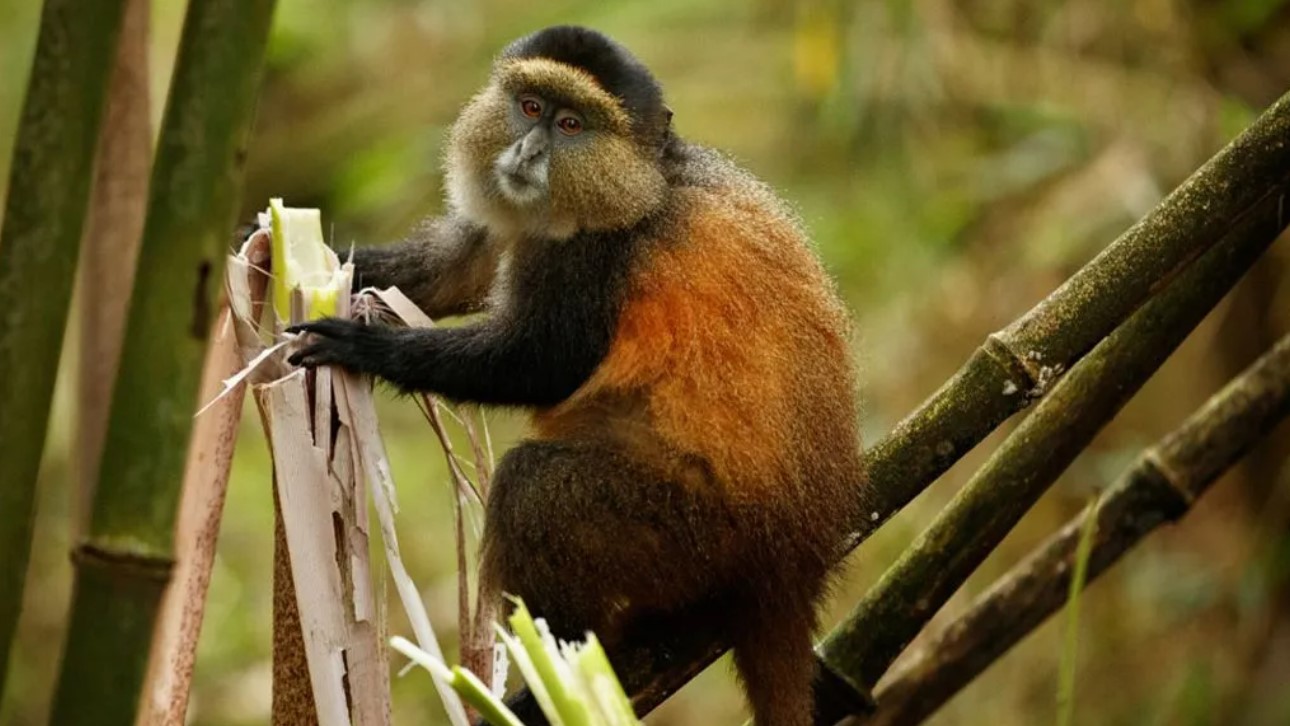
- Golden monkeys: One of the park’s special treasures. Their golden-burnished fur glows against the bamboo and hemlock, and watching their playful antics is pure joy.
- Gorillas live here too, in smaller groups, offering a more intimate, less crowded experience
- A variety of birds, shy forest elephants in nearby areas, and a sense of alpine wilderness that’s rare in Africa.
What to do
- Golden monkey trekking. An unforgettable, dynamic encounter among bamboo and treetops.
- Gorilla treks are often paired with forest walks and scenic hikes.
- Hiking to viewpoints that make you feel like you’re standing on the edge of the world, with Rwanda and Congo visible on a clear day.
Practical notes
- Dress in layers: cool mornings become crisp afternoons.
- Acclimatise to the altitude; allow time for slower-paced days.
- Respect the land and communities that care for it.
Semuliki National Park: Lowland Rainforest, Hot Springs, and Deep Green Quiet (Uganda’s Forest Ecosystems and Wildlife)
The mood here
Semuliki is a lush, humid ribbon along the Semuliki River. It’s rainforest at a different tempo—mossy trunks, whispering palms, and a chorus of birds, frogs, and insects that makes the forest feel alive in the most intimate ways.
Wildlife that loves Semuliki
- Forest elephants are smaller and shyer than their savannah cousins, but every sighting feels like a secret revealed.
- A bird lover’s paradise: hornbills, bee-eaters, kingfishers, and a suite of rainforest birds you’ll learn to recognise by their calls, especially Congo-Guinea biome species.
- Sitatunga and duikers poke their noses into marshy edges, keeping to the quiet margins.
- The Semuliki Hot Springs add a surprising warmth to the forest’s cool embrace—that mix of steam and shade is unforgettable.

What to do
- Guided forest walks that reveal a different world than Bwindi or Mgahinga, with amphibians and insects in the spotlight.
- Cultural visits nearby that connect you with the people for whom the forest is a lifeline.
- Night walks and calm waterways for a softer, more reflective kind of wildlife watching.
Practical notes
- Footing can be muddy; bring good grip shoes and a rain layer.
- Mosquito protection is essential—long sleeves can be a good idea in the evening.
- Keep your distance from wildlife and follow your guide’s lead for safety and conservation.
Tips when Planning Your Uganda Forest Safari (Uganda’s Forest Ecosystems and Wildlife)
- Choose guides and operators who are grounded in conservation and community benefits. A good guide can turn a hike into a story, a sighting into a memory.
- The best time? Year-round, with a tilt toward dry seasons for easier treks and clearer wildlife viewing. Each season offers different moods and wildlife behaviour.
- Pack with intention: durable clothing, layers for high and low temperatures, a light rain shell, binoculars, a camera, a water bottle, and a small daypack.
- Health and safety: vaccines up to date, basic first aid, and a respect-for-wildlife mindset to keep both you and the forest safe.
Bwindi biodiversity: More Than Just Gorillas
Bwindi isn’t only about gorillas. It’s a living library of plant life, birds, and invertebrates that keep the forest healthy and resilient. Protecting Bwindi biodiversity means caring for climate, disease, and human pressures—and travellers can contribute simply by choosing responsible stays, mindful visits, and funds that go toward conservation.
A Trio of Uganda’s Forest Splendors (Uganda’s Forest Ecosystems and Wildlife)
- Bwindi delivers dramatic, intimate gorilla encounters in an ancient, misty jungle.
- Mgahinga blends gorillas, golden monkeys, and volcanic scenery into a high-altitude forest experience.
- Semuliki presents a lush lowland rainforest with a different set of species and warm cultural connections.
Together, they offer a complete picture of Uganda’s forest ecosystems and wildlife: misty primate trails, bamboo groves with shy residents, and wetlands full of birds and life.
Ready to Start Your Uganda Forest Safari? (Uganda’s Forest Ecosystems and Wildlife)
If you want a forest-forward journey, these parks cover a range of interests:
- For close gorilla moments and dramatic scenery, Bwindi and Mgahinga are magic.
- For lush, bird-rich lowland forest and forest elephants, Semuliki belongs on your list.
Tip: When you book, share your interests—birding, primates, photography, or scenery—so your guide can tailor an itinerary that highlights Bwindi biodiversity, Mgahinga’s unique species, and Semuliki’s rainforest wonders.
In conclusion, Uganda’s forests aren’t just places to check off a wildlife list. They’re places to pause, listen, and feel connected to a living world. Bwindi’s gorillas, Mgahinga’s golden monkeys and volcanoes, Semuliki’s lowland whispers—each spot invites you to slow down, to learn, and to protect what makes these forests so fragile and so irreplaceable.