
Birding in Amboseli National Park
Birding in Amboseli National Park: Situated in southern Kenya, close to the Tanzanian border, Amboseli National Park is well-known for its breathtaking scenery, varied fauna, and unmatched views of Mount Kilimanjaro. But the park’s exceptional avifauna is one of its most striking aspects. The experience of birdwatching in Amboseli is breathtaking, offering aficionados the chance to see a vast array of bird species that call this special habitat home. The varied birdlife of Amboseli National Park, the ideal locations and seasons for birdwatching, and the importance of bird conservation in the area will all be covered in this blog post.
The Ecosystem of Amboseli National Park
Amboseli National Park, which is roughly 392 square kilometres in size, is home to a wide variety of habitats, including open grasslands, wetlands, and woods. Mount Kilimanjaro’s towering presence has a tremendous impact on the park’s ecosystem, creating a diversity of microhabitats and influencing local weather patterns. Acacia woodlands, marshes, and seasonal wetlands are the main vegetation types, which create a perfect habitat for a variety of bird species.
In addition to drawing massive creatures like lions, buffalos, and elephants, the park’s diverse habitats are home to more than 600 different bird species, resulting in an unmatched diversity of birds. For both nature lovers and birdwatchers, Amboseli is a must-visit location because of its diverse wildlife and the famous Kilimanjaro backdrop.
Notable Bird Species seen when birding in Amboseli National Park
African Fish Eagle (Haliaeetus vocifer): Known for its remarkable appearance and unique call, the African Fish Eagle is frequently seen flying over the park’s lakes and wetlands. In many African tribes, it is a symbol of strength and freedom because of the contrast between its dark brown plumage and its white head and tail.
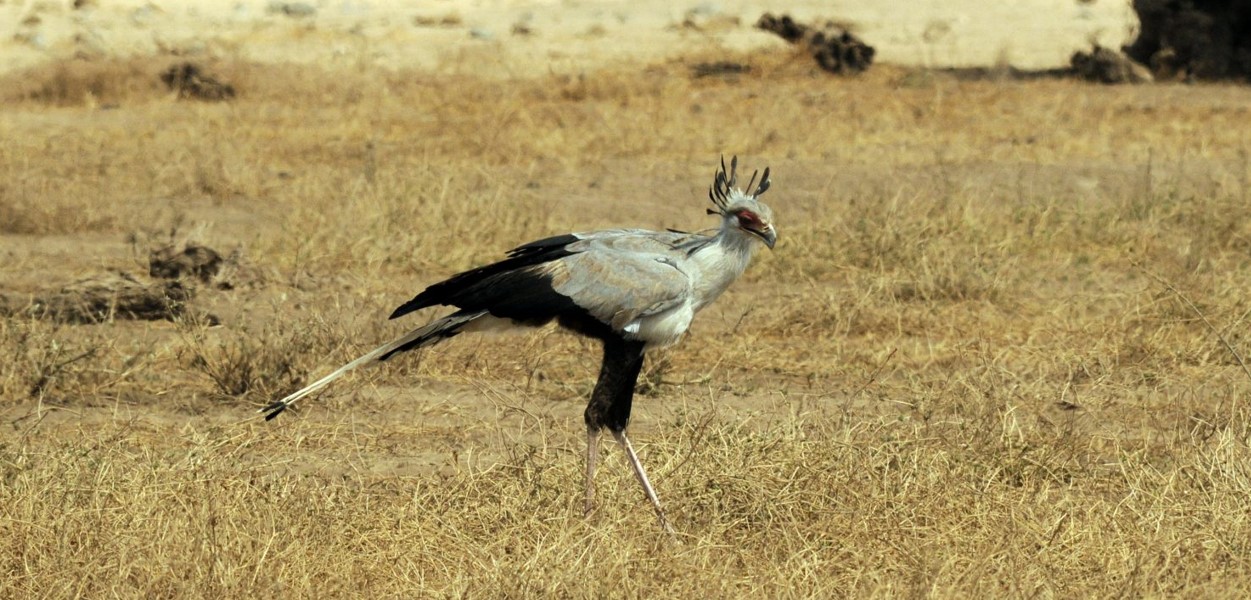
The big, terrestrial predatory bird known as the Secretary Bird (Sagittarius serpentarius) is exclusive to the plains of Africa. The Secretary Bird is renowned for its unusual behaviour of hunting snakes due to its long legs and exceptional hunting skills. It is an amazing sight, displaying a combination of grace and predatory skill.
Greater Flamingo (Phoenicopterus ruber): The lakes and wetlands of Amboseli are home to a large population of flamingos, which, whether in flight or feeding in the shallows, put on a stunning show. Photographers and birdwatchers alike love them for their beautiful pink colouring and elegant movements.
The yellow-billed stork, or Mycteria ibis: This stork, which is easily recognised by its bright yellow beak and striking plumage, is frequently observed wading through the shallow waters of Amboseli. A unique perspective on the wetland ecology may be gained by watching these storks as they interact with one another and fish.
The ground-nesting African Wattled Lapwing (Vanellus senegallus) is distinguished by its loud, repeating calls and characteristic yellow wattles. The wattled lapwing is a key member of the park’s terrestrial food chain and is frequently observed in grassy areas where it forages for insects and tiny invertebrates.
The Indigenous Rufous-tailed Weaver (Histurgops genaralis) is distinguished by its colourful plumage and intricate nesting habits. It is mostly found in the acacia trees and bushes of Amboseli. An understanding of the complex relationships between avian populations can be gained by watching these weavers as they painstakingly construct their elaborate nests.
One of the most prevalent raptors in the area, the Tawny Eagle (Aquila rapax), is frequently spotted soaring over the plains or perched atop trees in search of prey. It is a symbol of the park’s varied predatory bird species due to its remarkable wingspan and acute vision.
What is the best time of the year to go birding in Amboseli National Park?
Although birding in Amboseli is possible all year round, the best experiences are had during specific seasons. During the wet seasons (April to June and November to December), when migratory birds combine the local species to create a colourful tapestry of avian life, birding is usually at its best. Birds are more active during these times because there is an abundance of food, which intensifies feeding and mating behaviours.
Additionally, as birds are most active during these cooler hours, birdwatching is best done in the early morning and late afternoon. The melodies of different species bring the tranquil countryside to life, while the golden light of sunrise or sunset provides captivating photographic opportunities
What are the best locations to spot species when birding in Amboseli National Park?
Some of the prime birding spots within Amboseli National Park include:
Amboseli Swamps: The marshes are an important habitat for waterbirds and draw a range of species, such as pelicans, storks, and herons. Flamingos also have great feeding sites in the shallow waters.
Ol Tukai Lodge Area: There are lots of chances to see both terrestrial and aerial species in the grounds of the Ol Tukai Lodge. For birdwatchers, the lodge itself serves as a convenient starting point.
Observation Hill: This location offers amazing views of the surrounding countryside and is perfect for seeing raptors and other birds as well as taking in far-reaching views of Mount Kilimanjaro.
Acacia Woodlands: Numerous songbirds, weavers, and other forest-dwelling species are drawn to these woodlands by their varied plant life. Opportunities for rare sightings arise from taking a stroll through the forests.
The Seasonal River: As waterholes create and draw feeding birds from kilometres around, this area becomes a magnet for a variety of bird species, especially during the wet seasons.
As pollinators, seed dispersers, and environmental health monitors, birds are essential to ecosystems. Bird population conservation is becoming more and more important as climate change, human expansion, and habitat degradation threaten Amboseli’s ecosystems. Because of the park’s rich birdlife, which enhances its appeal and maintains ecological balance, conservation activities are crucial to maintaining biodiversity.
To increase awareness of the value of preserving Amboseli’s distinctive avifauna, local conservation efforts frequently concentrate on habitat restoration, community engagement, and environmental education. It is feasible to balance the preservation of the park’s priceless ecosystems with the enjoyment of visitors by encouraging sustainable tourism and ethical birding practices.
For both novice and expert ornithologists, birdwatching in Amboseli National Park is an amazing experience. Every visit is guaranteed to be unforgettable due to the breathtaking variety of bird species and the striking landscapes. Birdwatchers not only broaden their understanding of nature as they explore the park’s varied ecosystems, but they also support the continuous conservation initiatives that keep these amazing animals alive for future generations. Amboseli offers a bird show that enthrals and motivates everyone who enters its magnificent wilderness, whether it is the eerie cry of the African Fish Eagle or the colourful display of flamingos in flight.