
Top Highlights of Bwindi
Top highlights of Bwindi, a renowned tourist destination that draws quite a number of tourists from different parts of the world due to its unique and amazing creatures, including wildlife, landscape, and a rich cultural heritage, especially of the Batwa people. Bwindi was gazetted in 1991 purposely to protect the habituated tropical rainforest and the critically endangered mountain gorilla population. Each year, hundreds of tourists from all over the world come to Bwindi, one of the country’s renowned national parks. Many wildlife species seek refuge in this lush jungle, including over 10 primate species, 120 animals, 350 bird species, 160 tree species, and more than half of the world’s mountain gorilla population calling Bwindi home.
Top highlights of Bwindi Impenetrable National Park
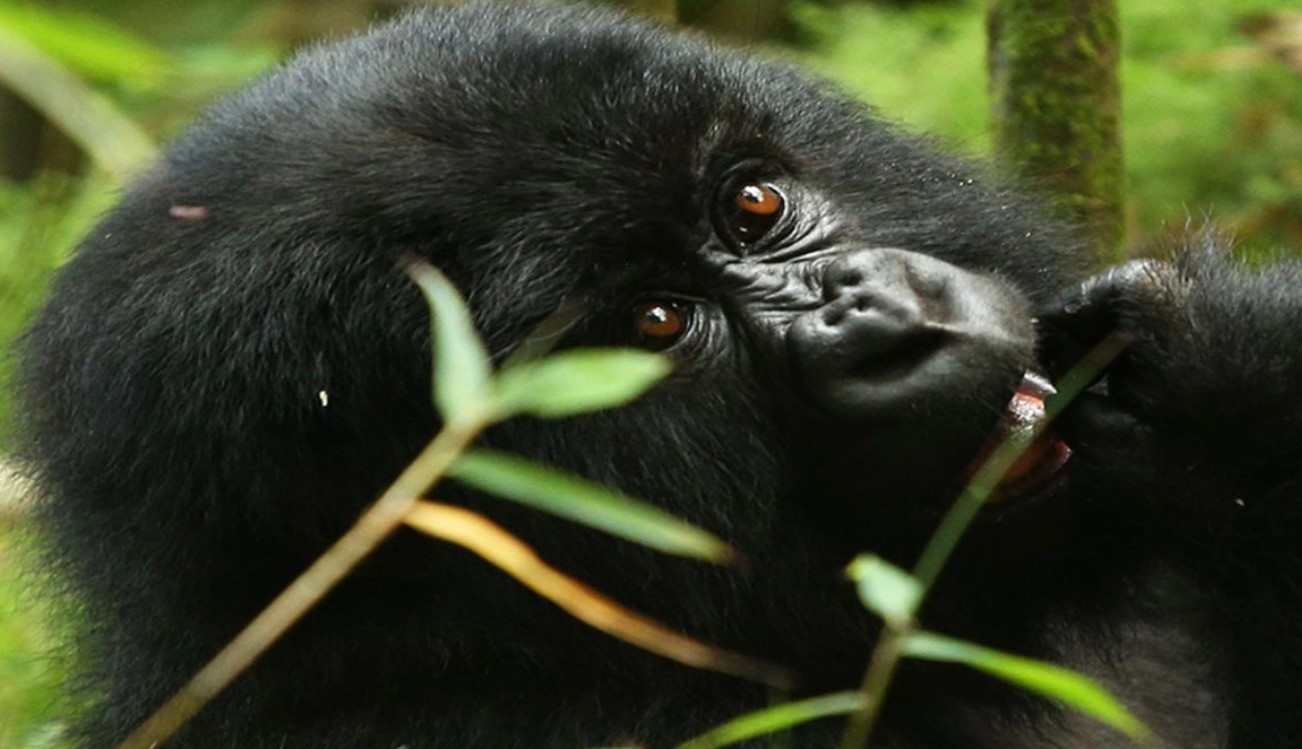
Mountain gorillas
One of the top highlights of Bwindi is the endangered mountain gorillas, which is the most popular attraction that attracts tourists from all over the world. Due to their remarkable physical attributes, personalities, and behaviours, these Bwindi magic wonders share more than 98% of their DNA with humans. In Bwindi alone, the four park sectors of Nkuringo, Rushaga, Buhoma and Ruhija are home to over half of the world’s population of mountain gorillas. In the Rushaga and Nkuringo areas of the park, there are two semi-habituated gorilla groups and nineteen completely habituated mountain gorilla families in Bwindi. The most popular activity in Bwindi is gorilla trekking, which is only done by people who are at least 15 years old and have valid permission from the Uganda Wildlife Authority.
Mammals
Bwindi Impenetrable Forest National Park is home to over 120 distinct animal species, all of which are always visible whether on a nature walk, gorilla trekking, or birdwatching tours. Although game drives are not available at the park, you really must see several mammal species, including Yellow-Backed Duikers, Forest Elephants, Buffaloes, Bush Pigs, enormous Forest Hogs, Golden Cats, Black-fronted Side-stripped Jackals, Civets and others.
Primates
Besides the mountain gorillas, Bwindi Impenetrable National Park is also a centre of attraction to other species such as Forest Elephants, Chimpanzees, Duikers and other primate species such as Olive Baboons, Debrazza monkeys, Blue Monkeys, Potto, L’hoest monkeys, Spectacled and Demidoff’s galagos, and Black and White Colobus Monkeys, among others.
Batwa pygmies
Originally, Batwa pygmies lived in the Bwindi Forest. To save the park’s wildlife habitats, especially those of the mountain gorillas, the government forced them out of the jungle. The Batwa pygmies have built a new hoke across the park, which visitors may see while on a safari in Bwindi. While visiting the Batwa community, you are led into the forest by the Batwa guides, who demonstrates for you how they hunted animals, picked fruits, and collected honey. They also give you a cultural tour of the Batwa community, letting you take part in beer-making and cooking activities and see how people live their daily lives, thus emerging among the top highlights of Bwindi.
Bird Species
With over 350 bird species, 24 of which are endemic to the Albertine Rift region and 14 of which are exclusive to Bwindi Impenetrable Forest. The park is one of the top destinations to go birdwatching, making it one of the top highlights of Bwindi Impenetrable Forest National Park. Several bird species have attracted a lot of visitors to the park, and most of them combine their stay with a mountain gorilla hike. The birds of Bwindi frequent the popular trails in the park, such as the Mubwindi Swamp Trail, Bamboo Trail and Buhoma Waterfall Trail.
Bwindi Impenetrable Forest offers sightings of the Grauers’s Broadbill, Grauers Swamp Warbler, Yellow-eyed Black Flycatcher, Regal Sunbird, Rwenzori Blue-headed Sunbird, Purple-breasted SunBird, Stripe-breasted Tit, Rwenzori Batis, Arch’s Robin Chat, Strange Sunbird, Black-faced Apalis , Ansorge’s Greenbul, Neumann’s Warbler, African Broadbill, Bar-tailed Trogon, Black-billed Turaco, Many-colored Bushshrike, White-bellied Crested Flycatcher, Black Bee-eater, White-bellied Robin-chat, Equatorial Akalat, and Honey-guide Greenbul, among others.
Best time to visit Bwindi
Preferably the dry season is the best time to visit Bwindi because of the consistent, thin foliage that makes it easy to see the park’s wildlife, low to no rainfall that maintains the roads into the park passable, and dry trekking conditions. Budget-conscious tourists can still benefit from the substantial discounts on accommodations that are offered in Bwindi during the rainy seasons of March through May and October through November.
Accommodation choices in Bwindi
Accommodation in Bwindi-Ruhija sector
Gift of Nature Lodge, Cuckoo Land Tented Lodge, Ruhija Community Rest Camp, Ruhija Gorilla Safari Lodge, Broadbill Forest Camp, Chameleon Hill Lodge, Trekkers Tavern, Bakiga Lodge, Gorilla Mist Camp, Agandi Lodge and Ruhija Gorilla Friends Resort
Accommodation in Bwindi-Buhoma Sector
Sanctuary Gorilla Forest Camp, Haven Lodge, Bwindi View Bandas, Silverback, Ride 4 women Guest House, Lodge and Bwindi Forest Lodge, Mahogany Springs Lodge, Buhoma Rest Camp, Buhoma Lodge and Volcanoes Bwindi Lodge.
Accommodation in Bwindi-Rushaga sector
Rushaga Gorilla Lodge, Rushaga Gorilla Haven Lodge, Rushaga Gorilla Camp, Four Gorillas Lodge, Lake Mulehe Gorilla Lodge, Nsongi Camp, Lake Mulehe Gorilla Lodge, Ichumbi Gorilla Lodge, Bwindi Jungle Lodge, Gorilla Valley Lodge, Rushaga Gorilla Resort.
Accommodation in Bwindi Nkuringo sector
Gorilla Heights Lodge, Bwindi Backpackers Lodge, Crested Crane Bwindi Hotel, Clouds Mountain Gorilla Lodge, Nshongi Camp, Nkuringo Bwindi Gorilla Lodge, Lake Mulehe Gorilla Lodge, Mutanda Eco Community Centre.