
Less-Visited Gems in Uganda Worth the Detour
Less-Visited Gems in Uganda Worth the Detour: If you’re chasing a vacation that feels rediscovered and a little private, Uganda has a handful of gems that reward curiosity. These aren’t the easiest wins, but they’re the kind of places that stay with you—the kind you tell your friends about long after you’re back. Three standout stops: Kidepo Valley, Pian Upe, and Mount Elgon. Each one offers its own landscape, its own wildlife, and its own story—perfect for travellers who want connection, not crowds.
Kidepo Valley National Park Karamoja, far northeast Uganda (Less-Visited Gems in Uganda Worth the Detour)
Think of a wide-open canvas of savannah, with dramatic rock kopjes and valleys that feel like their own secret world.
What makes it special and personal
- The scenery has a cinematic feel: vast plains, orange-baked sandstone, mopane trees, and those striking kopjes jutting into the horizon.
- Wildlife with space to breathe: buffalo herds, giraffes, cheetahs, and a sense of being off the well-trodden path. Birders are in for a treat too.
- Meet-and-greet, not a show: your guides become storytellers, sharing insights into Karamoja life, traditions, and daily rhythms.
- Nights under a black velvet sky: If you love stargazing, Kidepo’s quiet skies deliver a front-row seat to the Milky Way.

When to go, and how to get there
- Best season: The dry seasons (Dec–Feb and Jun–Aug) are reliable for game viewing and road conditions. The rainy months add colour and drama, too—worth it if you don’t mind a bit of mud.
- Getting there: A flight to Kidepo’s airstrip from Entebbe can be a gift in itself, but an adventurous overland route from Kampala is part of the experience.
- How long: 2–3 days in the park let you wander the Narus and Kanangarok valleys, with time for a short guided walk and a relaxed game drive. Consider pairing with a village visit for a fuller story.
What to do
- Guided game drives: Your guide isn’t just a driver—think of them as a wildlife biographer who spots tracks, explains animal behaviour, and shares surprising little details about the land.
- Walking safaris (when allowed): A slower pace reveals tracks, plants, and tiny creatures that vehicles zoom past.
- Cultural connections: A visit to nearby communities like the Karamajong villages offers a window into daily life, crafts, and songs that have carried on for generations.
- Photo moments: Early morning light on the valleys and kopjes is magic—bring a camera you love and a willingness to wait for the perfect moment.
- Night skies: If your lodge has a night-sky programme, say yes. The stars here feel almost close enough to touch.
Where to stay
- Look for lodges and camps that balance comfort with wilderness. The best options emphasise local staffing, sustainable practices, and guided excursions that you’ll remember long after you leave.
Pian Upe Wildlife Reserve, Eastern Uganda (Less-Visited Gems in Uganda Worth the Detour)
A vast, wild landscape that feels almost deliberately quiet—a sanctuary for wildlife and a playground for explorers who want to take their time.
What makes it special
- Untouched feel: Rolling savannah, river corridors, and pockets of montane woodland create a tapestry you won’t forget.
- A calmer game-viewing experience: Fewer vehicles on the tracks means you can savour the moment and soak in the scenery.
- Rich birdlife and biodiversity: If you love birds or simply the sense of being surrounded by life, Pian Upe won’t disappoint.
- Cultural crossroads: Communities here keep their traditions alive, and a respectful visit can be deeply moving.
When to go, and how to get there
- Best season: Dry seasons are easiest for getting around and spotting wildlife; the green season has its own beauty—with lush scenery and active birds.
- Getting there: It’s more remote, so plan with a trusted local operator. A rugged 4×4 is your friend for river crossings and rough tracks.
- How long: 2–4 days to explore multiple zones, with room for a cultural stop and some downtime in between.
What to do
- Diverse game drives: The reserve spans multiple habitats, so you’ll be surprised by the variety of animals you can see.
- Community visits: Meet local families, and learn about beadwork, music, and daily life—these moments are the heart of the trip.
- Birding and photography: Pack a telephoto lens and good binoculars for the open plains and treetop stories.
- Guided walks: If conditions allow, a walking safari with rangers can reveal animal tracks and plant stories you’d miss from a vehicle.

Where to stay
- Eco-minded lodges and tents that emphasise conservation and community work. Choose places that support local guides and fair travel practices.
Mount Elgon National Park along Uganda–Kenya border (Less-Visited Gems in Uganda Worth the Detour)
A colossal, ancient volcano that feels inviting rather than intimidating—cool air, misty forests, and dramatic drops.
What makes it special and personal
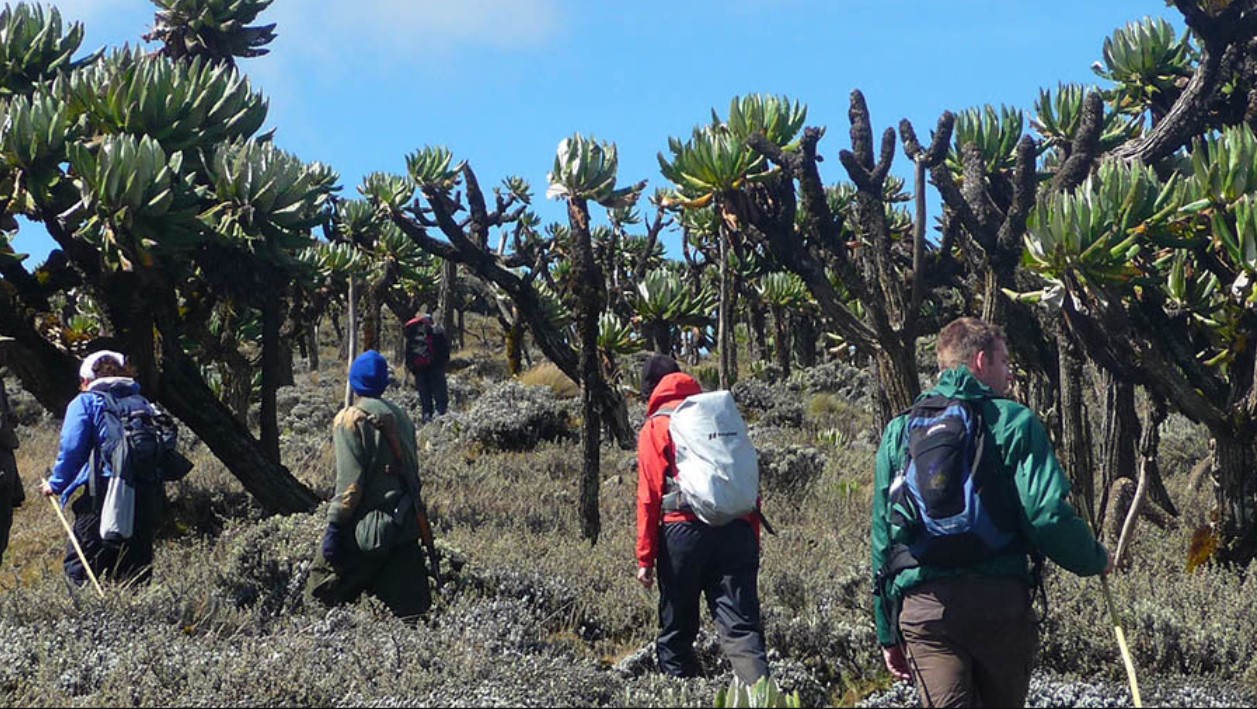
- A spectrum of landscapes: moorlands up high, dense forests, and waterfalls that feel almost cinematic at the right light.
- Trails for everyone: from easy day hikes to longer treks, it’s a great fit for families, solo travellers, and seasoned hikers alike.
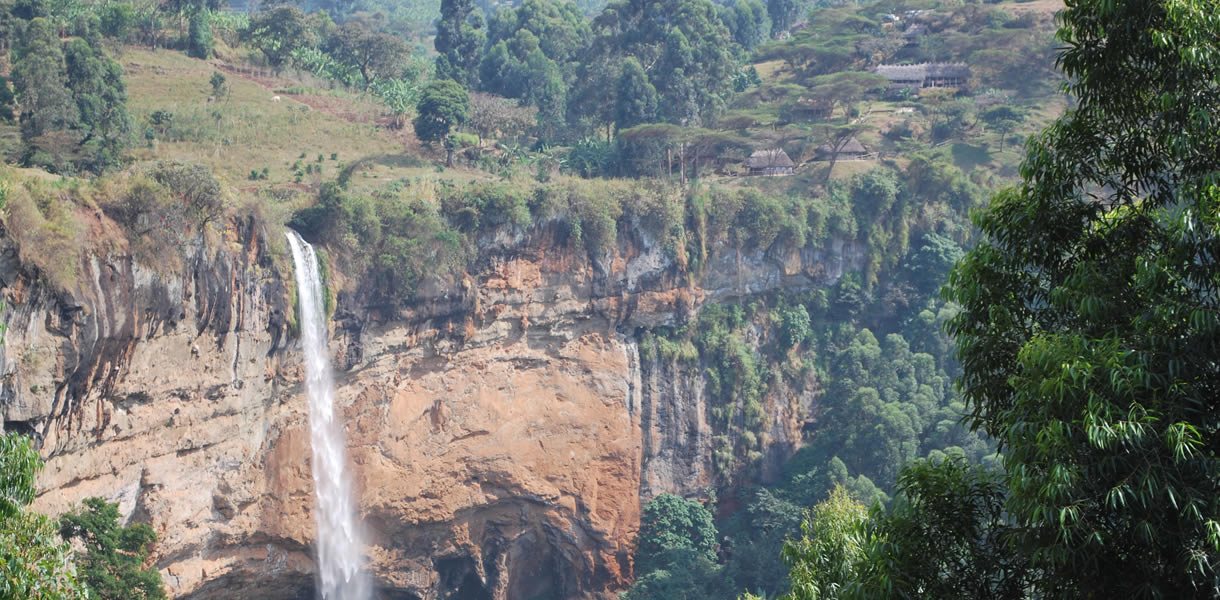
- Caves and cliffs: Sasa Camp and the Mafabi routes offer intriguing caves and viewpoints around the Sipi River to cap a day of trekking with a sunset view.
- Orchid heaven: If you love plants, the montane forests hide an impressive array of orchids and flora.
When to go, and how to get there
- Best season: Dry periods again tend to be smoother for trekking, but the wet season brings fresh air and cascading waterfalls—just be prepared for muddier steps.
- Getting there: Access points like Kapchorwa or Mbale in Uganda, usually with a local trekking company to guide you safely.
- How long: 2–4 days works well, with a rest day in the foothills to acclimatise and enjoy the scenery.
What to do
- Trek routes: Sasa Camp and Mafabi routes serve a range of fitness levels and pacing.
- Waterfalls and viewpoints: Sipi Falls and other gorge viewpoints offer dramatic photo opportunities.
- Culture: Trade stories with communities around Kapchorwa—music, crafts, and shared meals are memorable.
- Stargazing: After a day on the trail, a clear night sky makes for a magical end to the day.
Where to stay
- Mountain lodges and eco-camps that welcome hikers and prioritise safety, sustainability, and local guides.
Practical tips for a smooth experience when exploring the Less-Visited Gems in Uganda Worth the Detour
- Do your homework with a reputable local operator. These places are remote and less mapped, but the rewards are real when you travel with people who know the terrain and customs.
- Pack thoughtfully: hiking boots you love, quick-dry clothing, a lightweight rain shell, a daypack, sunscreen, a hat, and a reusable water bottle. A headlamp is handy for early starts and evening wildlife.
- Respect people and places: ask before entering homes, follow guides’ wildlife instructions, and leave no trace.
- Health and safety: up-to-date vaccines, a basic first-aid kit, and enough water. If altitude or trekking is new for you, pace yourself.
- Travel responsibly: support local guides and lodges that invest in conservation and community projects. Carry cash for small, authentic purchases in local markets.
A relaxed, balanced, outlined sample 7–10 day itinerary featuring Less-Visited Gems in Uganda Worth the Detour
- Days 1–2: Fly into Entebbe and land near Mount Elgon. Gentle hikes and a sunset at Sipi Falls.
- Days 3–4: Tackle a Mount Elgon trek at a comfortable pace.
- Days 5–6: Transfer to Pian Upe for guided game drives and a village visit.
- Days 7–8: Head to Kidepo Valley for more wildlife, golden-hour photography, and stargazing.
- Days 9–10: Return to Entebbe or Kampala for a laid-back finish to your trip, with a coffee tour or museum visit if you have time.
Quick packing and planning checklist as prepare to explore the Less-Visited Gems in Uganda Worth the Detour
- Passport, visa, and current travel advisories for Uganda.
- A local SIM card or international plan for staying connected and safe.
- A flexible schedule that can adapt to weather and road conditions.
- A focus on sustainable travel: local guides, conservation-minded lodges, and fair purchases.
As you plan your next escape, consider these quiet corners not as backups to the big-name parks, but as conversations you’re lucky to join—with the land, the people, and a pace that invites you to listen. Kidepo’s starry nights, Pian Upe’s tranquil plains, and Mount Elgon’s emerald staircases don’t rush you; they welcome you to slow down, notice the tiny details, and let curiosity lead. It’s not about ticking off “sights” but about collecting moments—the glow of a sunrise over a distant kopje, a shared story with a guide over a pot of matooke, the thrill of a trail that ends with a view you couldn’t have imagined. If you crave a travel experience that feels intimate, alive, and genuinely rewarding, these gems offer a respectful, immersive detour that stays with you long after you’ve unpacked your bags.