
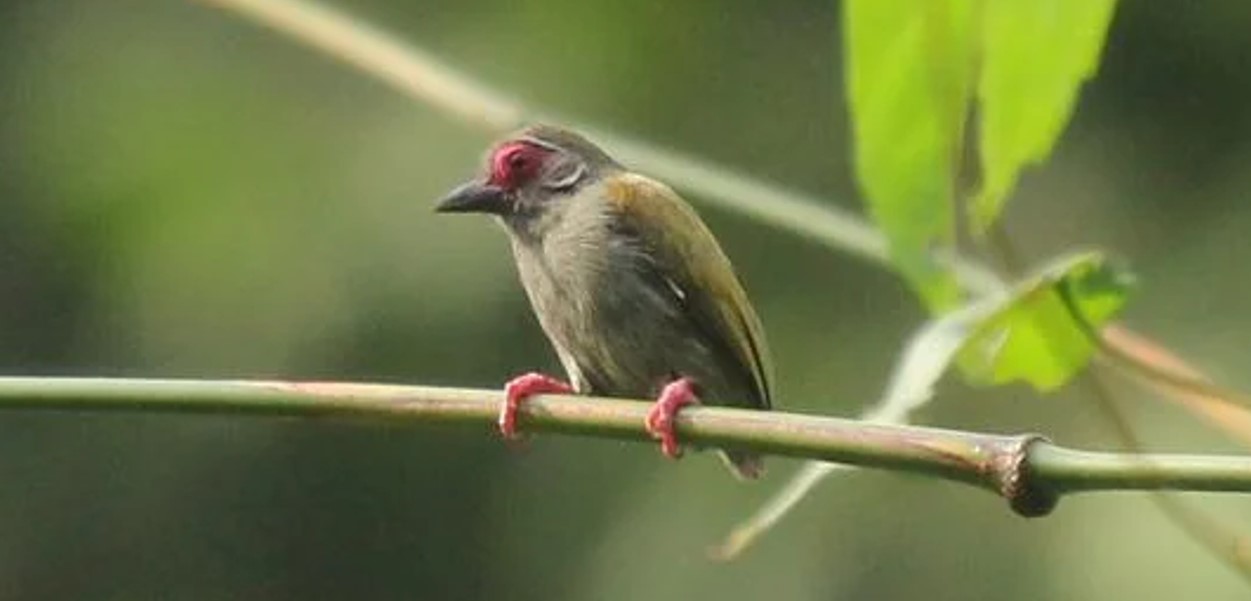
Exploring the African Piculet in Uganda
Exploring the African Piculet in Uganda: The African Piculet (Sasia africanus) is unique among Uganda’s diverse birdlife, adding to the nation’s biodiversity and offering researchers and birdwatchers a better understanding of the region’s biological structure. The African Piculet is an ecologically significant tiny woodpecker species that stands out for its unique characteristics and habits.
Habitat and Distribution
Uganda is a vital home for the African Piculet, which is mostly found in Central and East Africa. The bird prefers mature forests with a variety of canopy structures and deep undergrowth, especially lowland and montane forests. It is frequently observed in Semuliki National Park, which offers an ideal habitat for the species to flourish.
It is not by chance that the bird prefers denser forest areas. The African Piculet mostly feeds on insects, which are abundant in mature trees with intricate ecosystems. Because the bird digs deep in rotting trees to make cavities for laying eggs, these habitats also make nesting opportunities easier.
Unique Morphology
At around 10 to 11 cm in length, the African Piculet is a diminutive and secretive bird. The male’s stunning green and grey plumage pattern is further highlighted by a bright red forecrown. Though it doesn’t have the male’s colourful crown, the female is similar in colour. The African Piculet is difficult for would-be viewers to spot because of its small size and cryptic colouring, which allow it to blend in well with its forest surroundings.
The small, robust beak of the African Piculet is one of its most distinctive characteristics; it is well suited for chiselling into wood and bark while searching for insects. The bird forages with complex motions, frequently scurrying along tree branches like a mouse or tiny mammal, thanks to its body structure that permits agility and precision.
Behavioural Characteristics
Among the woodpecker species, the African Piculet’s behaviour is unique. African Piculets are renowned for being solitary and relatively secretive, in contrast to their larger relatives. They forage silently among the branches, making faint pecking noises instead of drumming on trees.
The primary food source for African Piculets is insects, particularly ants, beetles, and larvae. They forage methodically. They create unique feeding signs that highlight their presence by using their keen vision to detect movement and paying close attention to sound clues as they explore the bark and wood.
Another outstanding characteristic of the African Piculet is its distinct social behaviour. They are usually solitary, but occasionally they are seen in tiny family groups or pairs. In order to keep the group cohesive, their interactions are characterised by short calls, which are a succession of high-pitched notes.
Ecological Role
The African Piculet’s ecological significance in its natural habitat is also noticed when exploring the African Piculet in Uganda. They operate as natural pest regulators by controlling insect populations because they are insectivores. Through the excavation of dead wood, their foraging practices aid in the decomposition process, which benefits the health of their forest habitats. In addition to helping with the cycling of nutrients, this behaviour fosters biodiversity by establishing habitats for other creatures.
Additionally, the African Piculet is a species that indicates the health of forests. This woodpecker’s presence may indicate a biodiverse and balanced ecosystem, which is why conservation efforts in Uganda must prioritise it. Understanding and tracking the condition of species like the African Piculet is essential for informed conservation management since forests are increasingly threatened by deforestation, agricultural expansion, and other human-caused factors.
Threats and Conservation
The existence of the African Piculet is threatened by many factors, despite its adaptability. The bird population is seriously at risk from habitat loss brought on by logging, deforestation, and agricultural encroachment. In addition to decreasing the amount of food and nesting locations available, the destruction of its forest habitats also splits the ecosystems in which these birds live.
In response to these dangers, Uganda is implementing a number of conservation programs to protect the nation’s abundant biodiversity. While encouraging ecotourism as a sustainable source of revenue that benefits the environment and local populations, protected places like national parks and reserves are essential in reducing habitat loss.
In summary, the African Piculet is a vital component of Uganda’s forest ecosystems, contributing to their health and balance. It is much more than just a little bird species. Gaining knowledge of its ecological responsibilities, behavioural traits, and habitat needs might help one appreciate the significance of forest conservation in Uganda and beyond.
The African Piculet serves as a reminder of the complex relationships found in nature as attempts to preserve Uganda’s forests continue. We can make sure that future generations will hear more than just the quiet, enigmatic sounds of this amazing bird by raising awareness and encouraging sustainable practices. However, we will also value the ecosystems that are essential to its survival.
What are the best places for exploring the African Piculet in Uganda?
The best place to go in Uganda for birdwatchers hoping to spot the rare African Piculet is Semuliki Valley National Park. The park, which is located in the country’s west, is home to a wide variety of habitats, including wetlands, bamboo groves, and lush rainforest, all of which provide the perfect conditions for this tiny and unusual woodpecker. In addition to the possibility of seeing the African Piculet, birdwatchers are drawn to the park to see a wide range of other bird species that flourish in this biodiverse environment. Semuliki Valley National Park is a must-visit location for anybody wishing to fully experience Uganda’s natural beauty because of its distinctive geological formations and diverse ecosystems.