
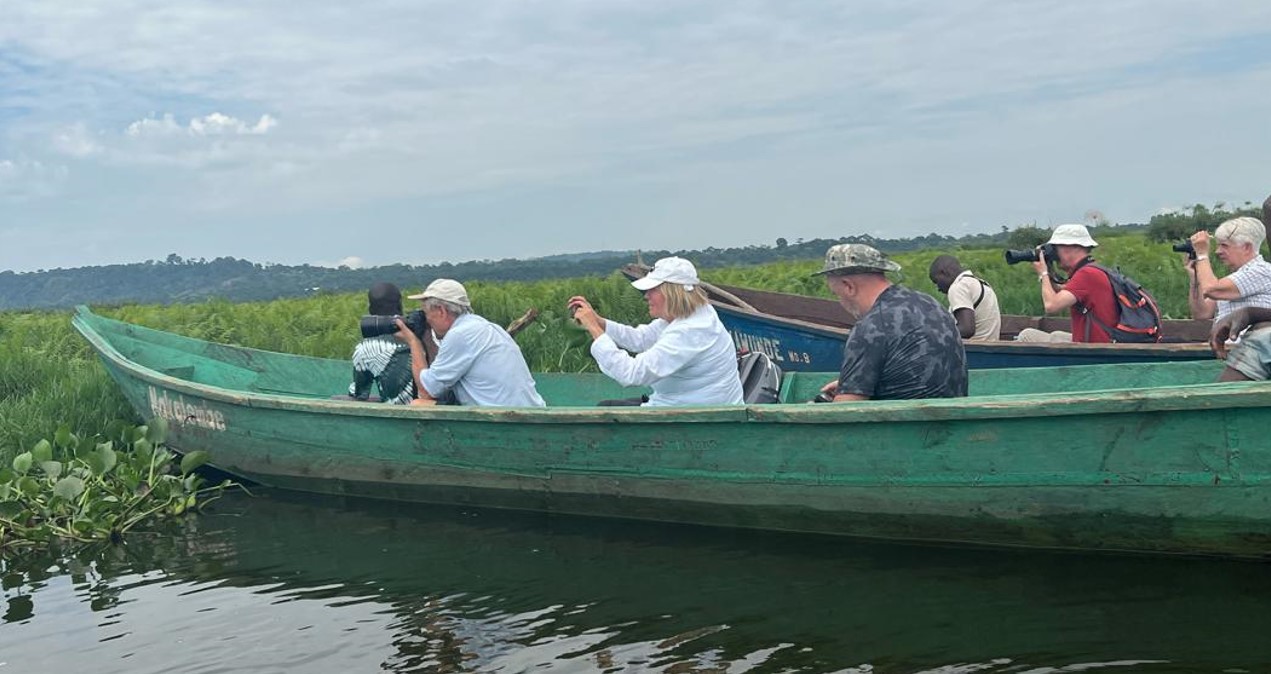
Uganda Photography Safaris Guide
Uganda Photography Safaris Guide: Uganda isn’t just a destination for wildlife; it’s a place that invites you to slow down, breathe in the drama of a sunrise over the Nile, and press the shutter as if you’re telling a story with your heart. If you love photography and the wild, a Uganda photography safari can feel like a soulful balance of gear and wonder. Think of this guide as a chat with a friend who shares your curiosity about light, patience, and those magic moments in the bush.
What this guide covers for you:
- When the light loves you most (golden hour, day-to-day shooting tips)
- What lenses and setups actually make your life easier in the field
- How guided photo safaris work and how to get the most from them
- The real talk on drone use: rules, ethics, and safe flights
- Practical packing, safety, and small rituals that set you up for success
Best times for golden hour and light conditions because light is everything (Uganda Photography Safaris Guide).
Think of golden hour as a friend you want to meet every morning and evening.
Morning joy: About an hour after sunrise. In Uganda, that means you’ll likely be at your best spots around 6:15–7:15 a.m., depending on where you are. Arrive a little early to drink in the quiet, listen for birds, and set up your frame before the light shifts.
Evening glow: Roughly an hour before sunset. Parks vary, but you’ll often find that by 6:30–7:00 p.m. you’re watching silhouettes rise and water glisten as elephants slip through the grass or a group of hippos bloat into the river.
Midday mercy: harsh sun is a real thing. When you can’t dodge it, lean into shade, water reflections, or interesting textures in tree bark and rocks. A little shade becomes an opportunity to tell a different kind of story.
Clouds, yes please: a few wisps can soften edges and make colours pop. If you’ve got cloudy skies, it’s a chance to experiment with softer portraits or dramatic silhouettes against the horizon.
Practical mindset:
- Scout a spot at dawn, not just to shoot, but to feel the park waking up with you.
- For action moments, a quick shutter is your friend: 1/1000–1/2000s to freeze movement; 1/250–1/500s for graceful river crossings.
- A polariser isn’t a must, but it can help you cut glare on water and deepen colours on bright days.
Lenses and camera setups that feel right in Uganda (Uganda Photography Safaris Guide)
You don’t need every lens, but a thoughtful kit helps you tell more of the story without lugging your entire toolbox.
Everyday versatility (landscapes + portraits):
- 24–105mm or 24–70mm zoom for general wildlife, people photography, and landscapes.
- Add a 70–200mm if you want closer animal portraits without crowding wildlife.
- A light tripod or monopod can be a quiet friend on bumpy vehicle rides or in small hides.
The “wildlife you’re chasing” category:
- 300–600 mm telephoto range for distant elephants, big cats, and birds. If you can swing a 100–400mm or 150–600mm, you’ll thank yourself on those long lens days.
- A 1.4x teleconverter is handy, but test it in daylight and accept a bit of light loss.
Close encounters (gorillas and chimps):
- 24–70mm or 24–105mm for environmental portraits when you’re near; you might also want a wider lens for forest textures.
- Prime options (35 mm or 50 mm) shine when space is tight and you want clean, storytelling portraits.
Birds and tiny life:
- 400–600 mm or a compact 150–600 mm for distant birds; pair with a fast AF system and tracking.
Quick field tips:
- Shoot RAW to keep options open in post.
- Favour continuous autofocus tracking for moving subjects.
Extras: spare batteries, plenty of memory cards, and a lightweight bag that’s easy to move through.
Guided photo safaris: how to get the best results (Uganda Photography Safaris Guide)
A great photo safari is less about luck and more about teamwork with your guide and operator.
What to look for in a guide:
- A guide who understands light, composition, and how to stage a shot without stressing animals.
- Vehicles designed for photography (windows that don’t glare, good seating, ability to angle for better angles).
- Clear briefings on safety, park rules, and how to approach subjects ethically.
Booking conversations that may help you:
- Vehicle setup: window height, seat arrangement, open-top options, and how to customise angles.
- Schedule flexibility: can you shift start times to catch the best light?
On-tour support: water, shade, charging options, and a plan for short photo critiques after days of shooting.
On the ground:
- Share your goals: “I’m chasing elephants crossing at golden hour” helps guides position you for the shot.
- Respect boundaries: stay in the vehicle as asked, avoid loud noises, and don’t chase animals for a closer shot.
- Patience pays off: sometimes the best moments arrive after you’ve waited quietly and watched.
Drone policy, ethics, and safety (Uganda Photography Safaris Guide)
Drones offer a breathtaking perspective, but they come with real responsibilities.
What to know:
- Drones are regulated. Some parks allow drones with permits; others restrict or ban drone use to protect wildlife and visitor experience.
- You’ll likely need permits from both the Uganda Civil Aviation Authority (UCAA) and park authorities. Check in advance; approvals can take time.
- Commercial drone operations require proper licensing and adherence to aviation rules, including keep-out zones around people, nests, and aircraft.
Ethical practice:
- Never disturb wildlife. Keep a generous distance and avoid nesting sites or busy animal pathways.
- Fly quietly and minimise exposure to crowds or water sources where animals congregate.
- Have a clear plan for where you’ll launch, land, and store the drone when not in use.
Practical tips:
- Choose calm mornings for flight times and be mindful of wind conditions.
- Practise off-site to master takeoffs and landings before you head into parks.
- Spare props and batteries are essential; heat and dust can drain batteries quickly.
Practical packing, safety, and simple planning habits (Uganda Photography Safaris Guide)
Gear you’ll actually use:
- A reliable camera body with a versatile lens kit (as above), extra batteries, and fast memory cards.
- A lightweight, weather-sealed bag; keep electronics in dry bags.
- Cleaning kit for lenses, microfibre cloths, and a lens hood to reduce flare.
- Clothing: neutral tones, breathable and comfortable; a wide-brimmed hat and sunscreen; insect repellent.
Health and safety:
- Malaria prevention, recommended vaccines, and a basic first-aid kit.
- Hydration and sun protection; rest when you need to.
Scouting and mindset:
- Learn park rules about vehicle distance and approaching animals.
- Have offline maps and a local SIM in case you need to check updates or contact your guide.
Post-processing and workflow that keep the joy (Uganda Photography Safaris Guide)
- Shoot RAW for maximum flexibility; keep a consistent white balance so your images feel cohesive.
- Create a simple, repeatable editing routine: rough crop and exposure, then refine colour and detail; use masks to highlight eyes and fur textures.
- Stay organised: tag by location, subject, and camera/lens; a straightforward catalogue saves you hours later.
Quick Uganda-specific photography notes (Uganda Photography Safaris Guide)
- Water sources and elephant crossings are just about guaranteed drama at dawn and dusk. Be ready to move with the light.
- Gorillas and chimps are often closer than you think, but respect distance and follow instructions to protect their safety.
- Foreground elements can add depth and story—try a branch or grasses in the frame to create a sense of place.
In conclusion, while on a photography safari in Uganda, the aim isn’t a flawless image. It’s honouring the moment—the pale light of dawn, the soft murmur of wind through the acacias, and the vanishingly brief instance you realise you’ve captured something you’ll want to share.